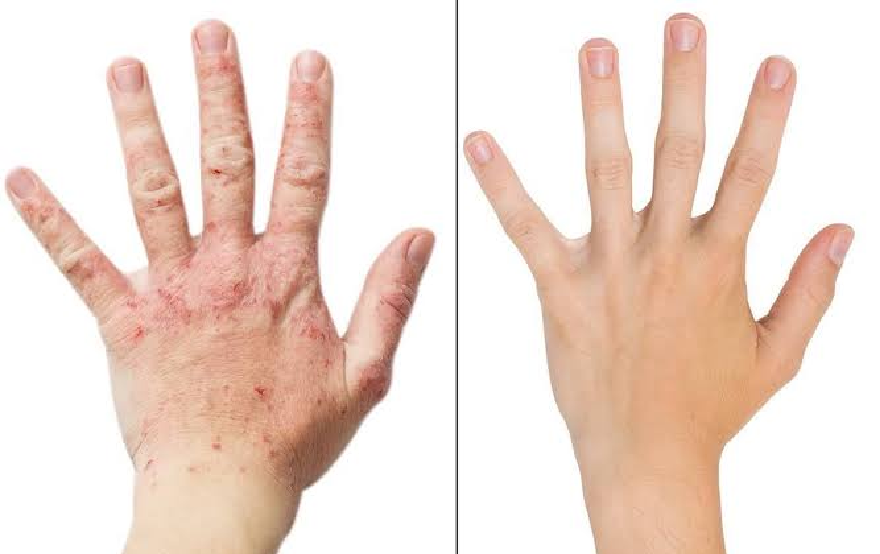
Struggling with dry, itchy skin that keeps coming back? You may be dealing with eczema, also known as atopic dermatitis. Eczema is one of the most common chronic skin conditions seen by Dermatologists and skin specialists. While it cannot be permanently cured, it can be effectively controlled with the right diagnosis, treatment, and long-term skincare plan.
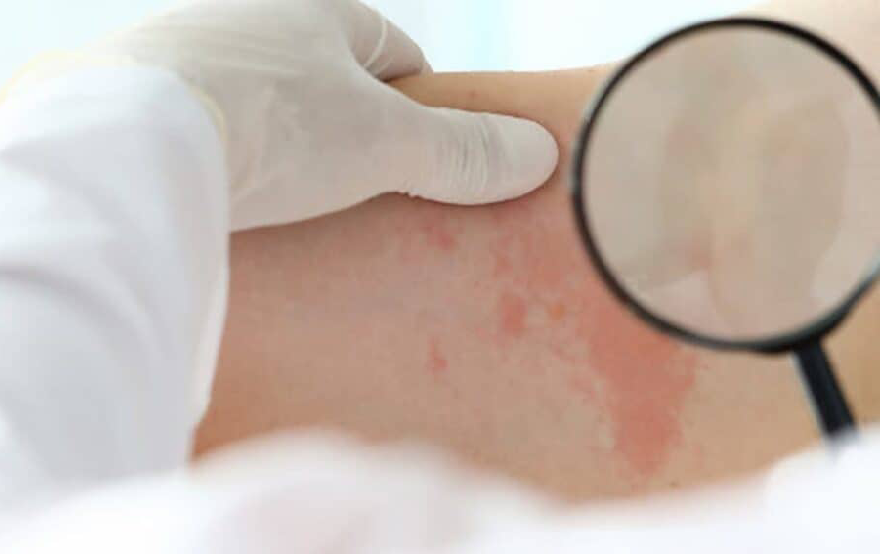
At LiV Clinic, our consultant Dermatologist provides evidence-based eczema treatment tailored to each patient’s skin condition, age, lifestyle, and severity of disease.
Whether you have mild eczema, severe eczema, hand eczema, or childhood eczema, early treatment can reduce flare-ups, improve sleep, and significantly enhance your quality of life.
Eczema, or atopic dermatitis, is a chronic inflammatory skin disease.
It is a genuine medical condition caused by a combination of:
Without proper treatment, scratching leads to more inflammation, creating the “itch-scratch cycle” that makes eczema progressively worse.
Not every itchy rash is the same. Different forms of eczema require different treatments.
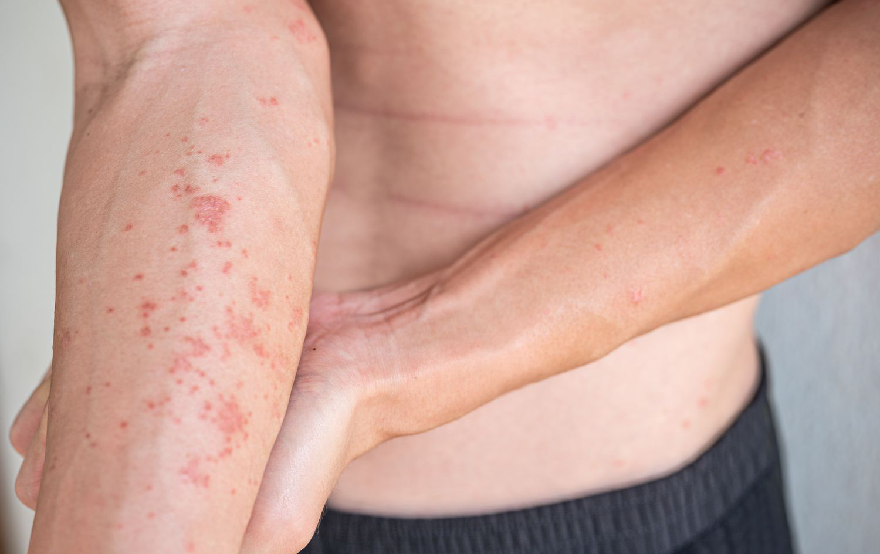
The most common form. Often associated with:
Usually begins in childhood but may continue into adulthood.
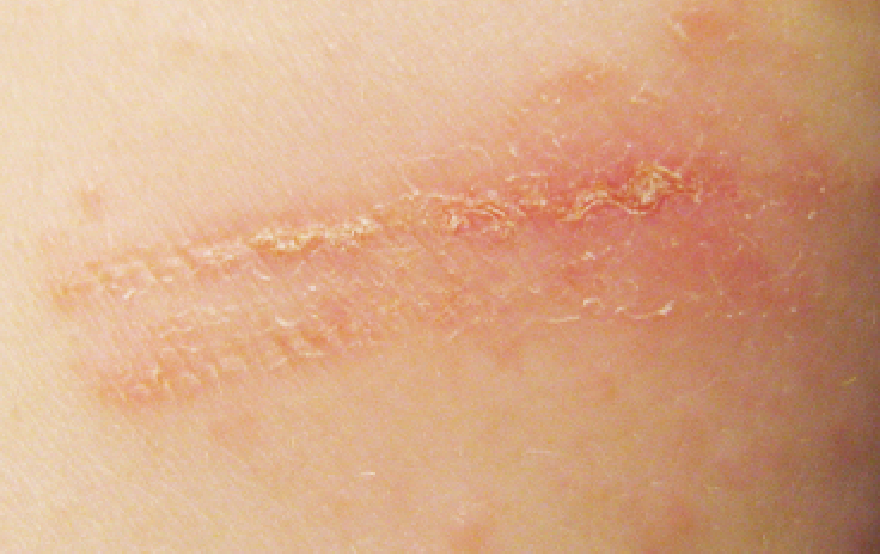
Occurs when skin reacts to something it touches.
Irritant Contact Dermatitis
Common triggers include:
Allergic Contact Dermatitis
Triggered by allergy to substances such as:
Patch testing may help identify the exact allergen.
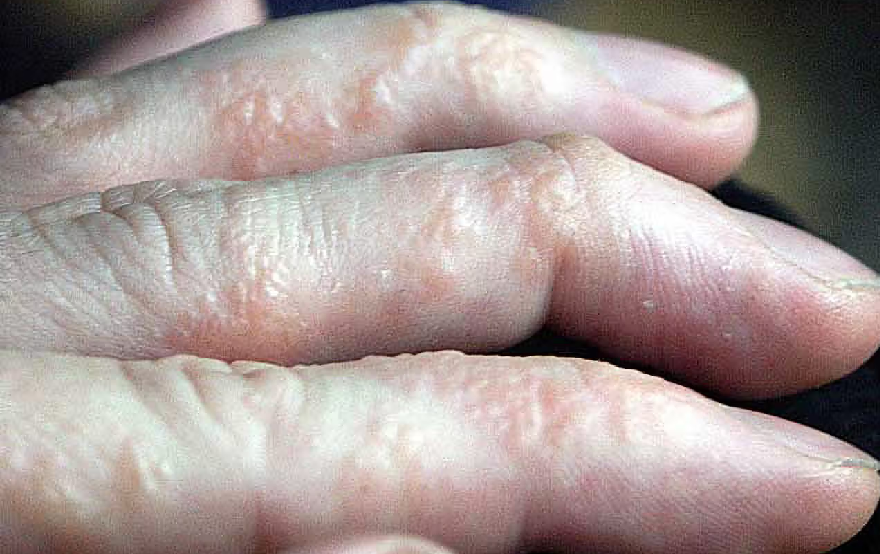
Characterised by:
Often worsens during stress or hot weather.
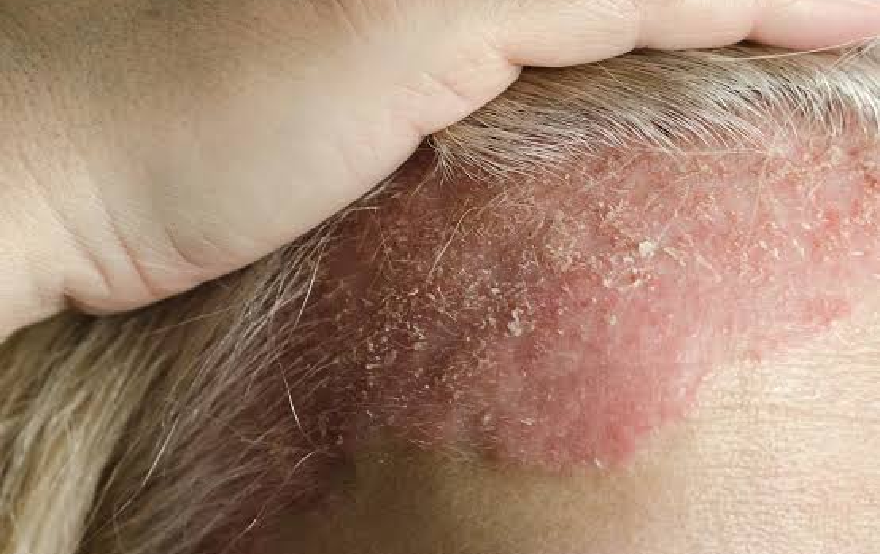
Usually affects oily areas including:
Commonly presents as dandruff or flaky skin.
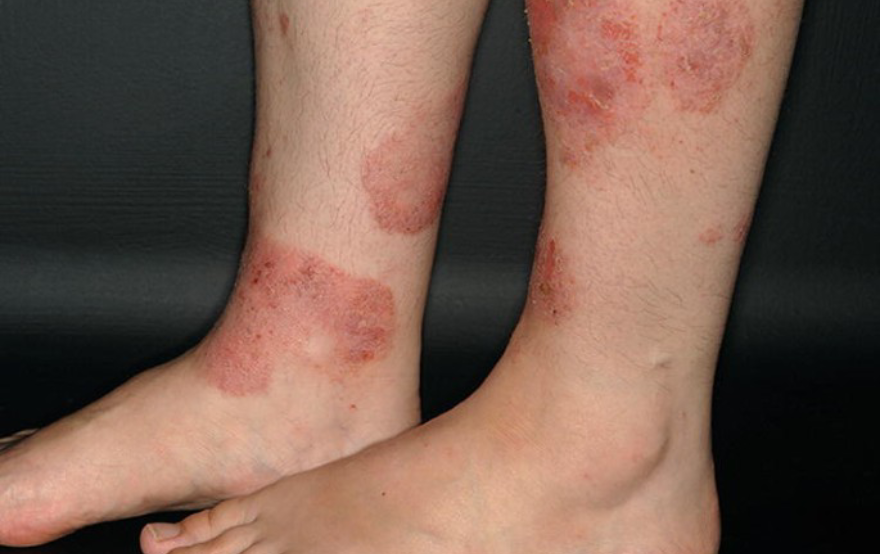
Produces:
Frequently affects adults.
Eczema develops because several factors work together.
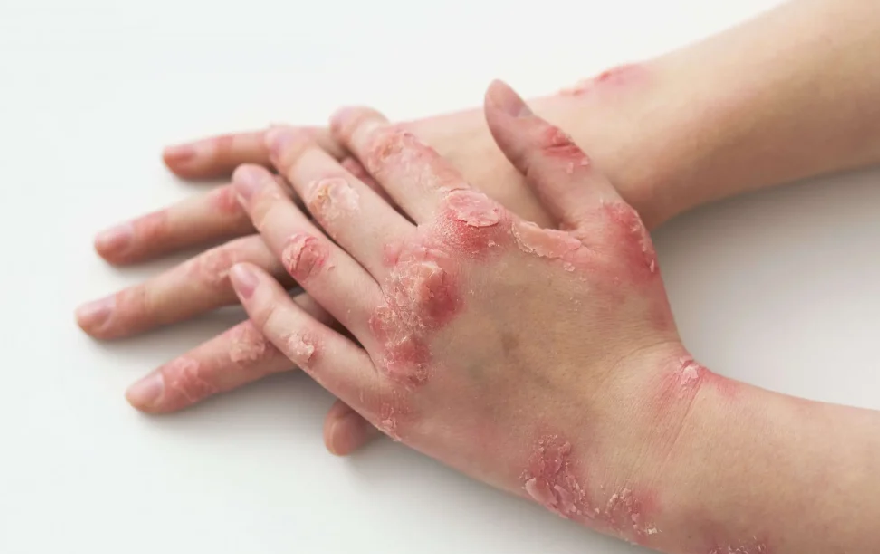
The strongest risk factor is family history. People with eczema often have relatives with: Eczema, Asthma, Hay fever, Skin Barrier Defect.
Healthy skin acts like a protective wall. In eczema, this barrier becomes "leaky," allowing: Water to escape, Irritants to enter, allergens to penetrate and bacteria to grow. This results in dry, sensitive skin.
Although triggers differ from person to person, common causes include:
Certain children with eczema may also have food allergies, although food is not the cause of eczema in most people.
Eczema affects people of all ages. It commonly starts before age 5, continues into adulthood.
It may also first appear in adults. The strongest predictor remains a family history of eczema, asthma, or hay fever.
This is one of the most common questions Dermatologists hear. The honest answer is: There is currently no permanent cure for eczema.
However, eczema can usually be well controlled. Many patients enjoy:
The goal is long-term disease control rather than simply treating each flare, this can be achieved especially with regular moisturizers.
Distribution
Age Group
Face
Scalp
Age Group
Inner elbows
Behind knees
Neck
Age Group
Hands
Neck
Face
Flexural areas
An experienced Dermatologist can usually diagnose eczema through:
Detailed Medical History
Skin Examination
Distribution of Rash
Pattern of Flare-Ups
Some patients may benefit from additional investigations.
At LiV Clinic, we provide comprehensive Dermatologist assessment and allergy testing where appropriate to ensure an accurate diagnosis.
1
Moisturisers form the foundation of eczema treatment.
Daily moisturising helps:
Ceramide-containing moisturisers are particularly beneficial.
2
Steroid creams reduce inflammation during flare-ups.
When prescribed correctly by a Dermatologist, they are:
Different strengths are used depending on the body area and severity.
3
For sensitive areas or long-term control, non-steroidal medications may be recommended.
Examples include:
These are particularly useful for the face, eyelids, neck, and skin folds.
4
5
Moderate to severe eczema sometimes requires medications that treat inflammation throughout the body.
Options include:
These require careful Dermatologist supervision.
6
For patients with severe or difficult-to-control eczema, modern targeted therapies have transformed treatment.
These include:
These medications specifically target inflammatory pathways involved in eczema and can significantly reduce itching, flare-ups, and the need for long-term steroid use in appropriately selected patients.
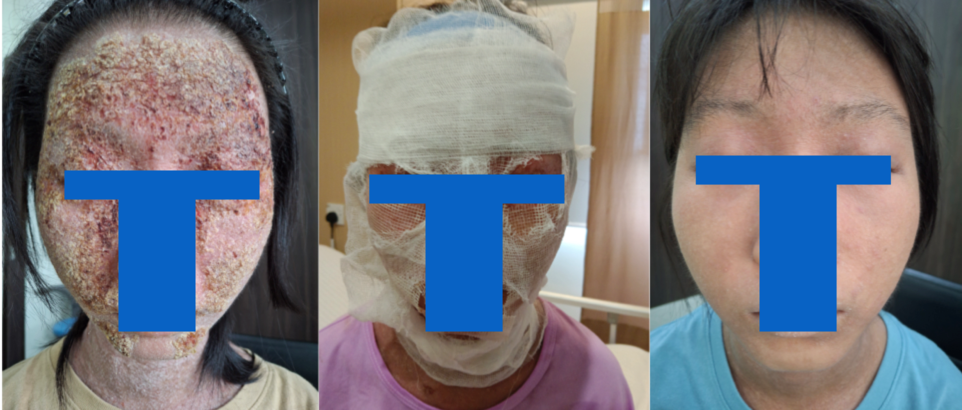
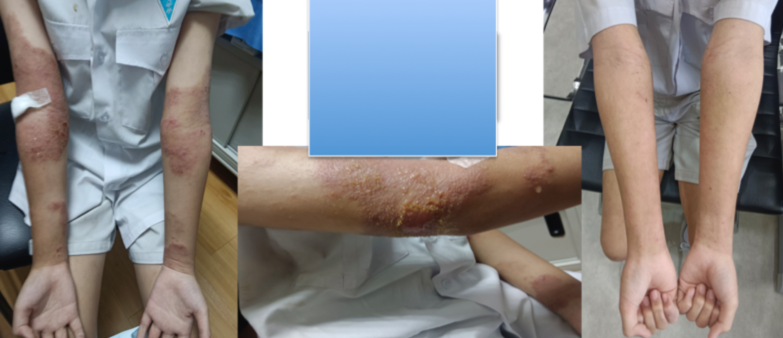
At LiV Clinic, eczema is managed as a medical skin condition, not merely a cosmetic concern.
Our Dermatologist-led approach includes:
Treatment is individualised according to whether eczema is mild, moderate, or severe.
With the right diagnosis, we plan the proper treatment and we have helped a lot of patients suffering from eczema in Malaysia.
Many patients worry about steroid creams. The truth is: Topical steroids are very safe when used correctly under Dermatologist supervision.
Problems such as skin thinning usually occur with:
Prolonged misuse
Incorrect strength
Self-medication
Unsupervised over-the-counter use
Your Dermatologist will prescribe the right strength, duration, and application schedule to minimise risks while effectively controlling inflammation.
When appropriate, non-steroidal alternatives such as Protopic® (tacrolimus) and crisaborole may also be used
Use fragrance-free cleansers
Take short lukewarm showers
Moisturise immediately after bathing (“soak and seal”)
Apply moisturiser at least twice daily
Avoid harsh soaps
Keep fingernails short
Wear soft cotton clothing
Avoid overheating
Consistency is more important than using expensive products.
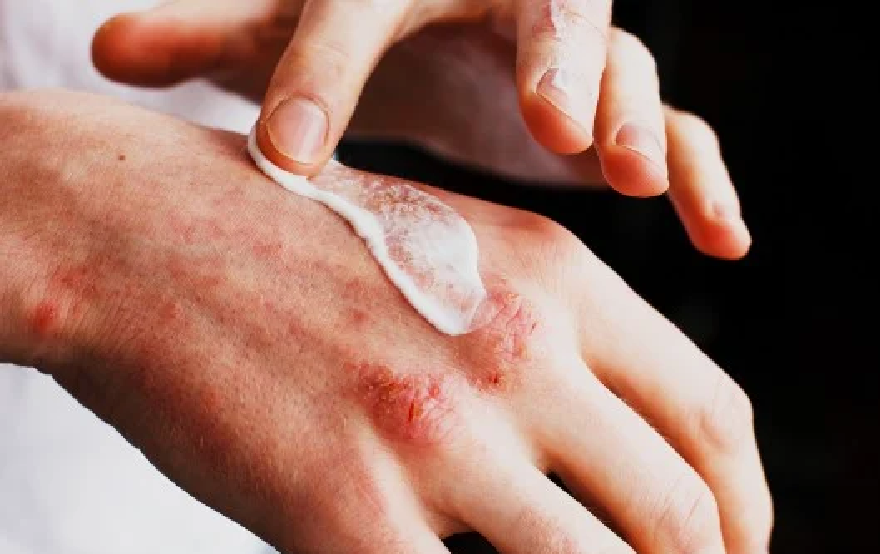
Managing eczema involves more than medication.
Helpful lifestyle measures include:
Know The Difference
What’s the Difference?
Barrier + Immune
Cause: Overactive immune system + weakened skin barrier
Appearance: Red, dry, itchy patches; may ooze or crust
Itch: Very itchy (often intense)
Scales: Fine, dry scaling
Common sites: Face, neck, inner elbows, behind knees, hands
Age of onset: Usually starts in infancy or childhood
Family History: Eczema, asthma, hay fever
Triggers: Soaps, dust mites, sweat, stress, allergens, weather changes
Treatment: Moisturisers, topical steroids, tacrolimus (Protopic®), crisaborole, dupilumab, lebrikizumab, abrocitinib
Autoimmune
Cause: Autoimmune disease causing rapid skin cell turnover
Appearance: Well-defined thick red plaques with silvery-white scales
Itch: Mild to moderate itch; may be sore or burn
Scales: Thick, silvery scales
Common sites: Elbows, knees, scalp, lower back, nails
Age of onset: Can occur at any age, commonly adults
Family History: Psoriasis or psoriatic arthritis
Triggers: Stress, infections, skin injury, certain medications
Treatment: Topical steroids, vitamin D analogues, phototherapy, methotrexate, biologics (e.g. IL-17/IL-23 inhibitors)
Key Takeaway
Eczema = “Itchy, dry, sensitive skin” caused by a defective skin barrier and immune inflammation.
Psoriasis = “Thick, scaly plaques” caused by rapid skin cell growth due to an autoimmune process.
Although they can sometimes look similar, the treatments are different. If your rash is persistent or keeps recurring, a consultation with a Dermatologist (skin specialist) is important to ensure an accurate diagnosis and the most effective treatment plan.
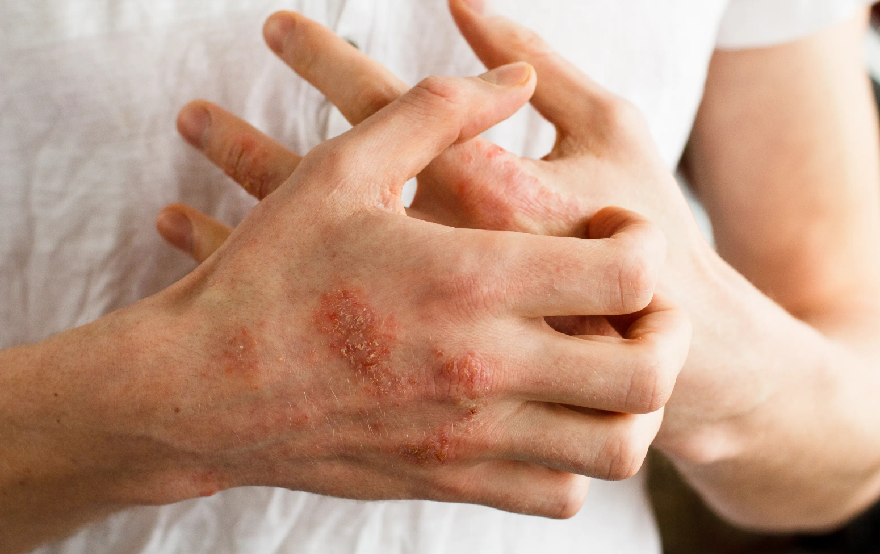
At LiV Clinic, our focus is on providing specialist dermatology care backed by the latest medical evidence. We understand that eczema is more than a skin problem—it can affect sleep, work, confidence, and family life.
Our goal is to help you achieve long-term control through accurate diagnosis, personalised treatment, education, and ongoing support.
For melasma, treatment is deliberately conservative and combines multiple modalities to minimise the risk of rebound pigmentation.
4.9
LiV Clinic Bukit Jalil overall rating on Google · 234+ reviews
I visited Liv Clinic to seek treatment for an ice pick scar on my nose. The pricing was very reasonable, and the clinic’s relaxing ambiance made the experience even better. Dr Alyster recommended a combination of TCA and Pico Laser treatments for my specific case. Throughout the process, Agness offered consistent and supportive guidance such as how to take care of my skin after treatment. My scar is now becoming less visible, and I’m truly grateful for the team’s professionalism and care.
— Kenny Tan
“It is great experience in Liv Clinic. I get the instant effect after did the fire and ice treatment and Pico laser. Thank you to Dr Alyster and Ms Agness!”
— Yeokim See
Certified Consultant Dermatologists and Aesthetic Physicians across our clinics assess and oversee every treatment plan.
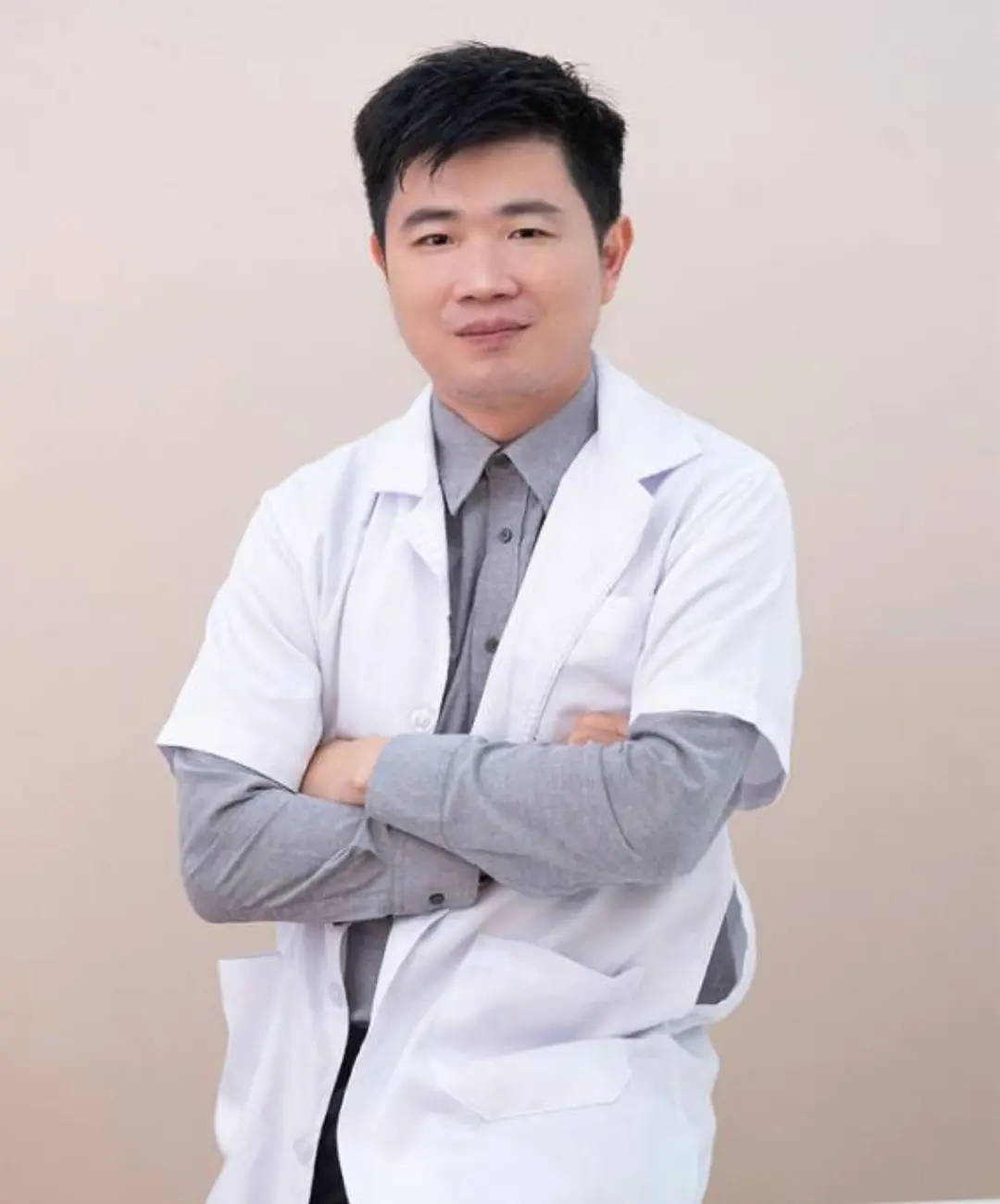
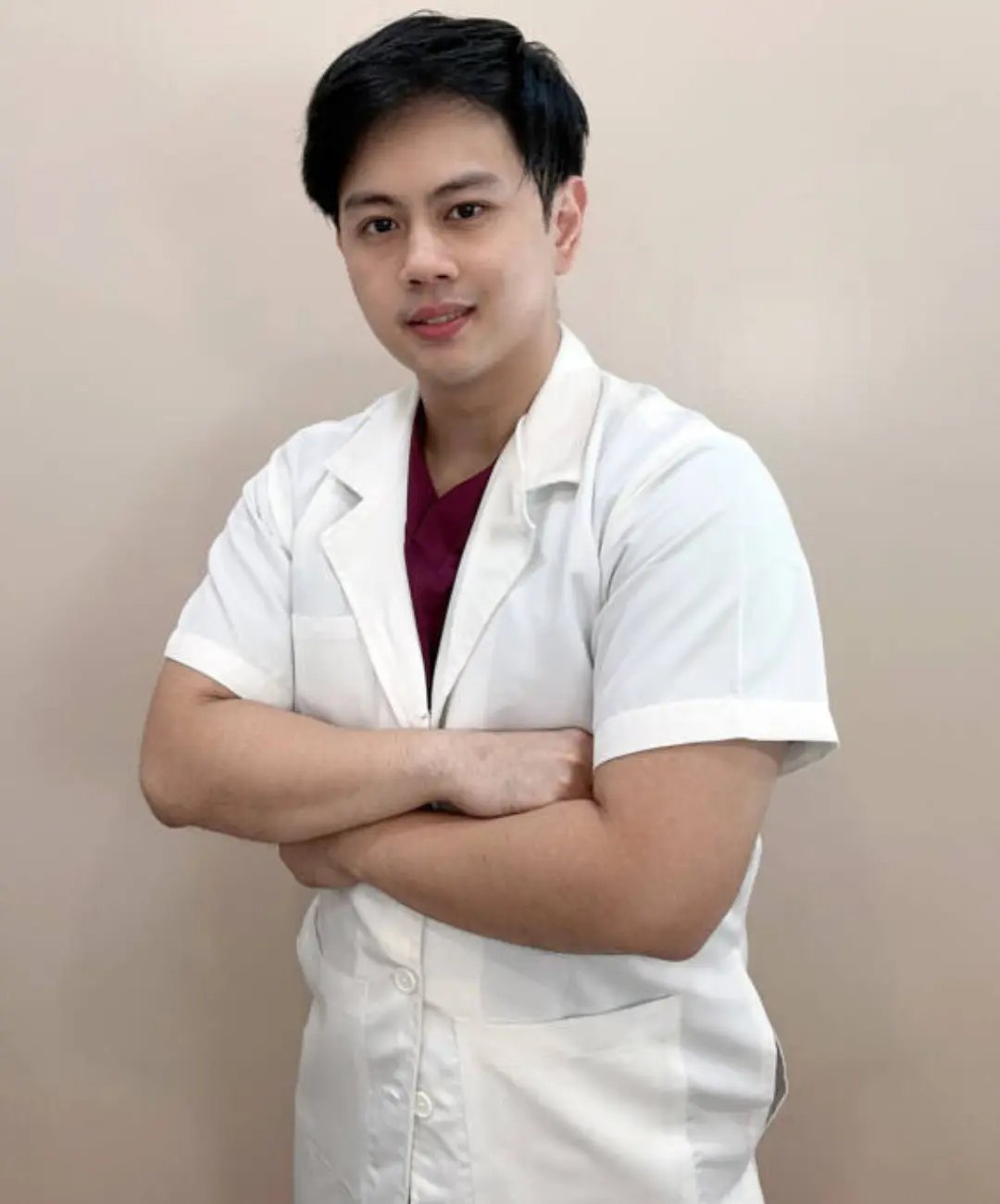

Visit us at either of our clinic locations for your consultation and treatment.
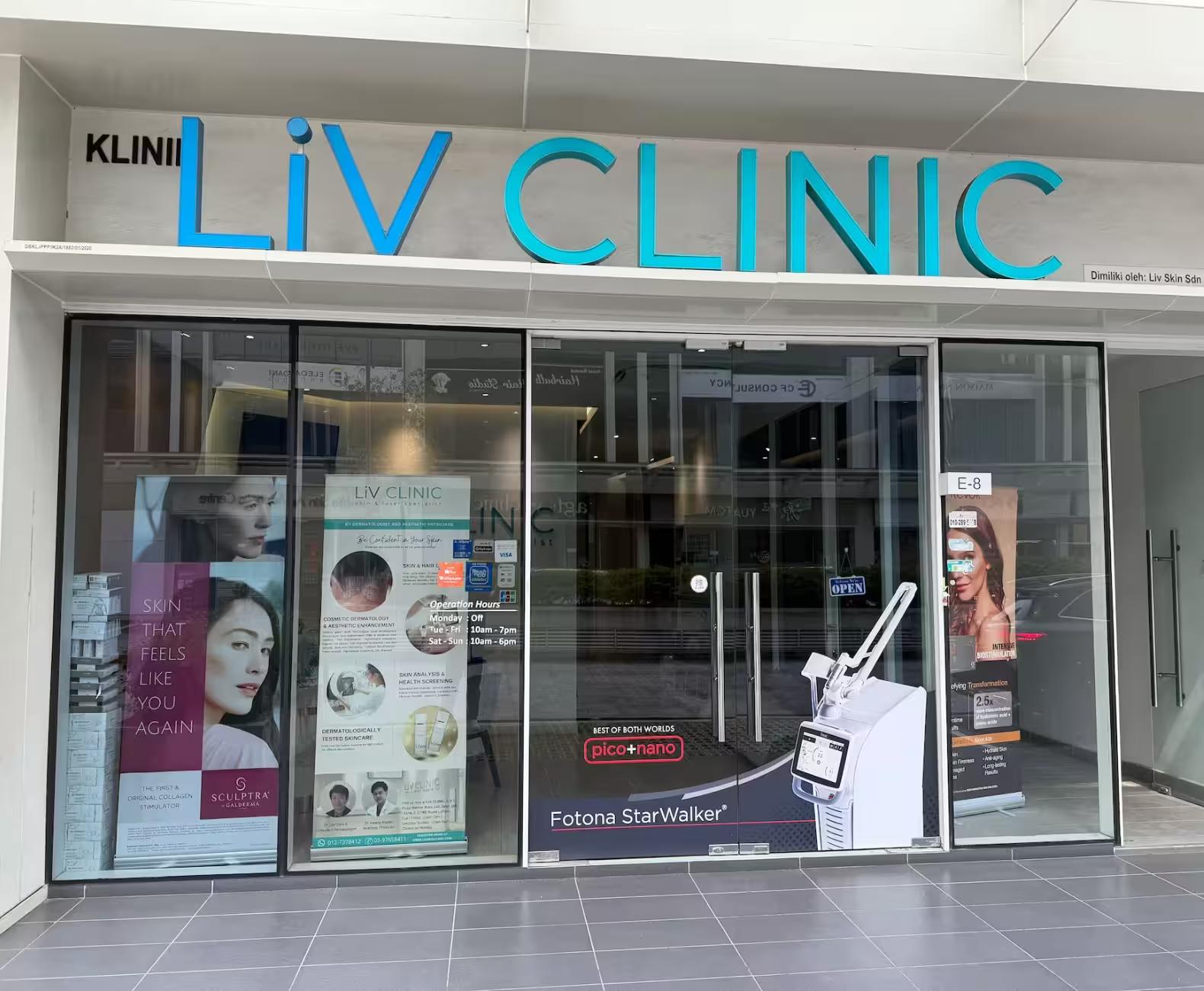
E-8-1, Pusat Bandar Bukit Jalil, Jalan Utama 2, Bukit Jalil, 57000 Kuala Lumpur, Malaysia.
Opening Hours
Wednesday – Friday: 10am – 7pm
Tuesday, Saturday, Sunday: 10am – 6pm
Closed every Monday
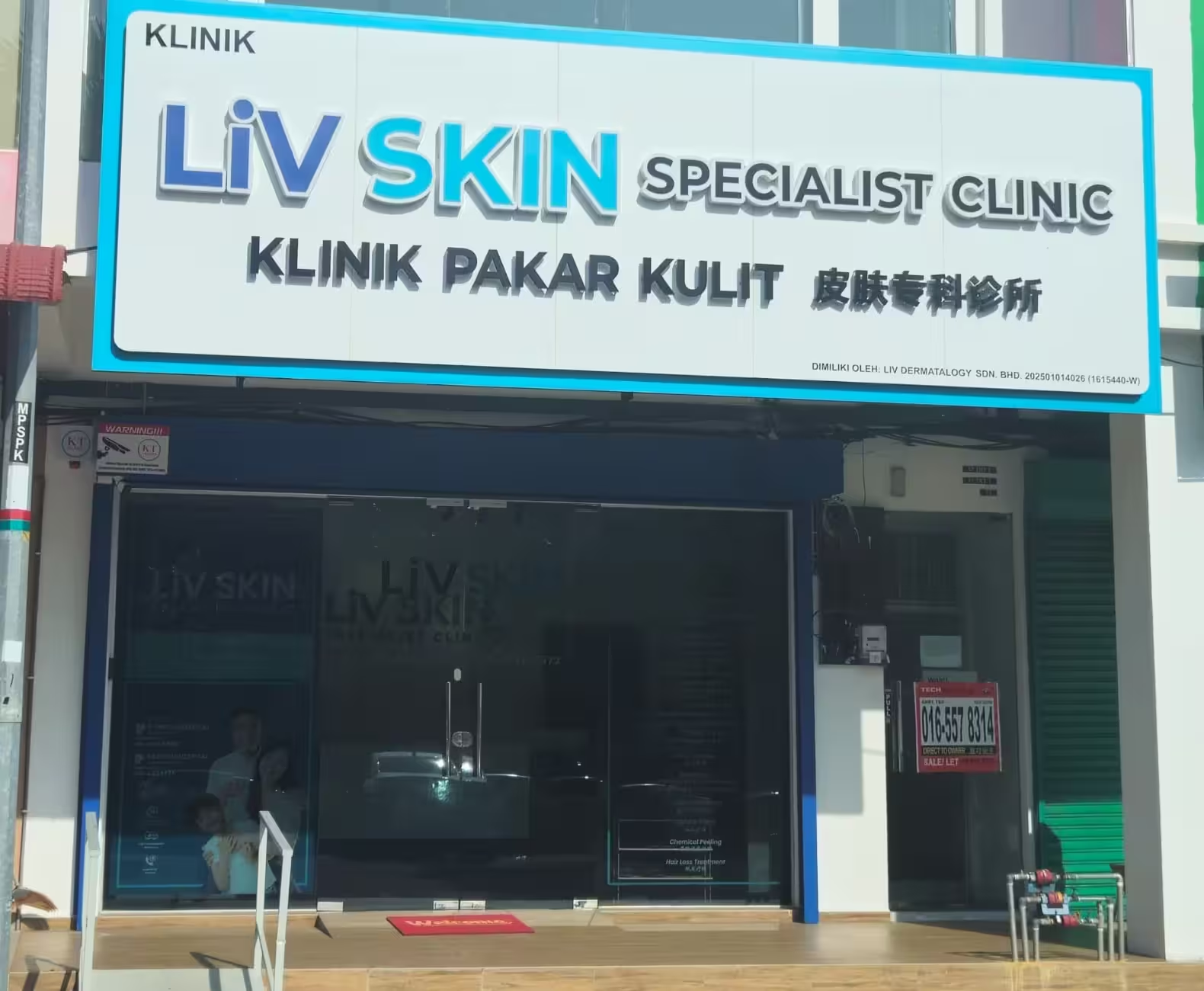
No. 17, Ground Floor, Jalan Perdana Heights 1/2, Perdana Heights, 08000 Sungai Petani, Kedah, Malaysia.
Opening Hours
Monday-Sunday: 930am-5pm
Closed every Thursday
Certified Consultant Dermatologists and Aesthetic Physicians across our clinics assess and oversee every eczema treatment plan.
Eczema covers a variety of conditions that include AD, which cause inflamed, irritated, or dry skin. AD is one of the most common types of eczema, which leads to people using the terms interchangeably. The term "atopic" refers to developing sensitive reactions to triggers, while other kinds of eczema can have other causes.
The link between food and AD is not straightforward and often based on anecdotes. Some patients may find that their AD symptoms clear up after avoiding specific foods. Others may be able to eat most foods without triggering a flare-up, or find their rashes get worse when eating specific foods that were previously fine.
It is possible that patients may have an underlying food allergy in addition to AD. Some research suggests that diet factors may worsen AD symptoms in infants and young children compared to other age groups, and these patients may require a food allergy test. In general, there is no specific food that directly causes AD.8
Stress, however, can cause and worsen AD. The body produces cortisol under stress, and too much cortisol can cause the skin to have rashes as an inflammatory response.
If you are experiencing persistent itching, recurrent rashes, or eczema that is not responding to treatment, book a consultation with our Dermatologist. Early intervention can reduce flare-ups, prevent complications, and help you regain healthy, comfortable skin.
1346298-M
LiV Clinic is an accredited Skin and Laser Specialist Clinic by MOH located at the heart of Bukit Jalil, founded by a group of Certified Consultant Dermatologists and Aesthetic Physicians who are well-respected experts within their specialist field.