Pigmentation is one of the most common skin concerns among Malaysians. Whether it’s stubborn melasma, acne marks that refuse to fade, or sunspots that appear with age, pigmentation can affect people of all skin tones and ages..
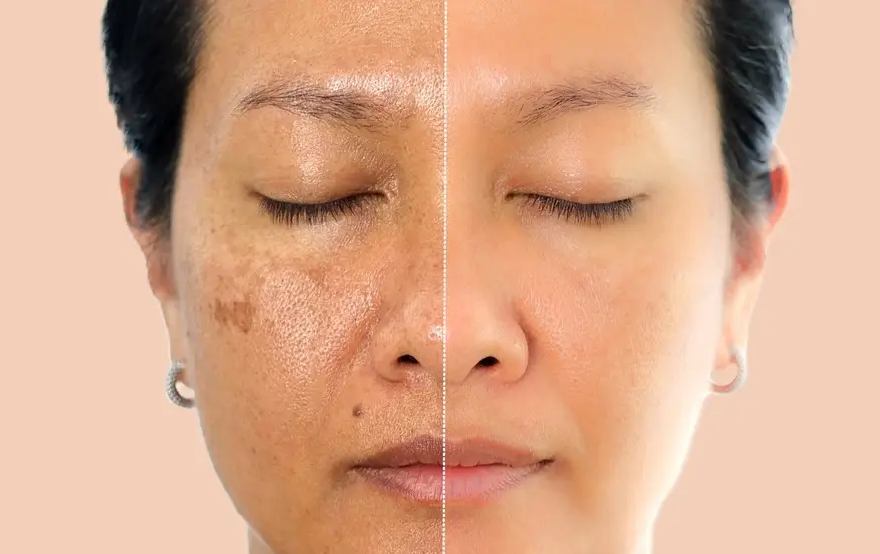
The good news is that many types of pigmentation can be improved with the right diagnosis and treatment. However, because different pigmentation disorders have different causes, using the wrong treatment can sometimes make the condition worse.
In this guide, we’ll explain the different types of pigmentation, why they occur, and how Dermatologists diagnose and treat them safely.
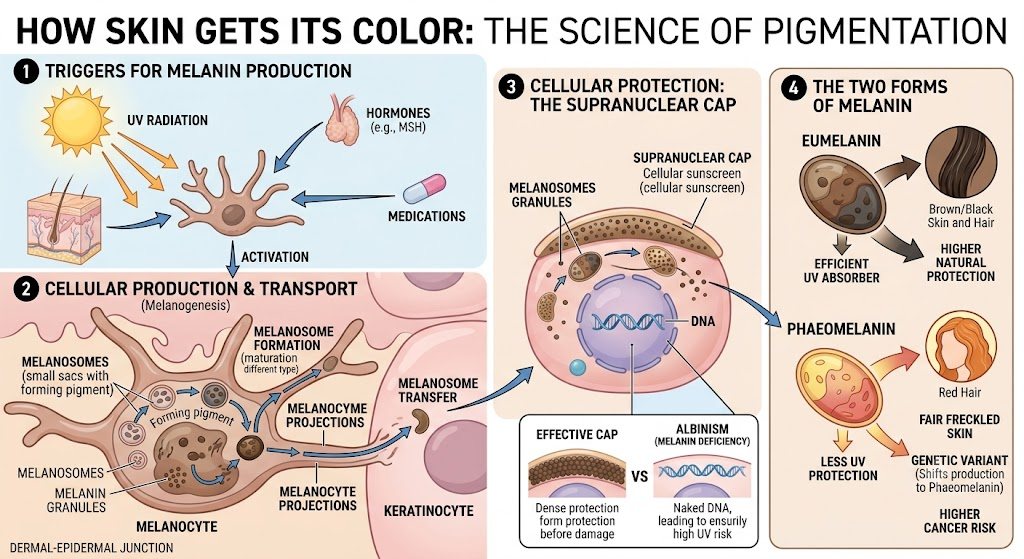
Skin cells called melanocytes make pigment (melanin) inside tiny packages called melanosomes. This is triggered by UV light and hormones, which is why sun exposure, hormonal shifts, and certain medications can alter skin color. Once these packages are full of pigment, the melanocyte uses long, arm-like extensions to pass them into neighboring skin cells (keratinocytes). Inside the skin cells, these pigment packages gather directly above the cell’s nucleus. This forms a protective “cap” that acts like cellular sunscreen, absorbing UV rays before they can damage your DNA. Because of this, more melanin means more natural sun protection. People with albinism cannot produce melanin, leaving their cellular DNA completely unprotected and at a very high risk for sun damage and skin cancer.
Pigmentation refers to darker patches, spots, or uneven areas on the skin caused by excess production or uneven distribution of melanin.
Pigmentation differs from your natural skin tone. While skin colour is genetically determined and generally even, pigmentation appears as localized dark patches or spots that stand out from the surrounding skin.
Not all pigmentation is the same. Identifying the correct type is essential because treatment varies considerably.
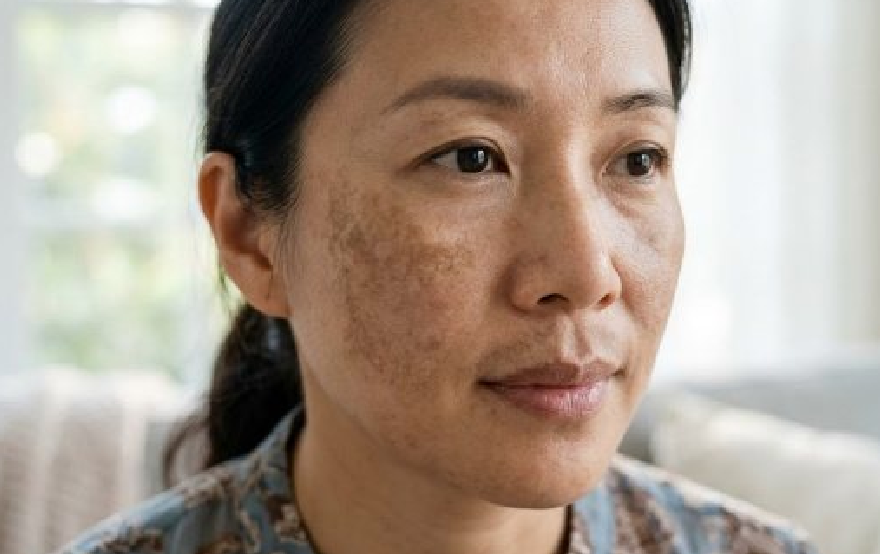
Melasma causes symmetrical brown or grey-brown patches, usually on the cheeks, forehead, nose, and upper lip.
It is strongly associated with:
Melasma is chronic and requires careful long-term management.
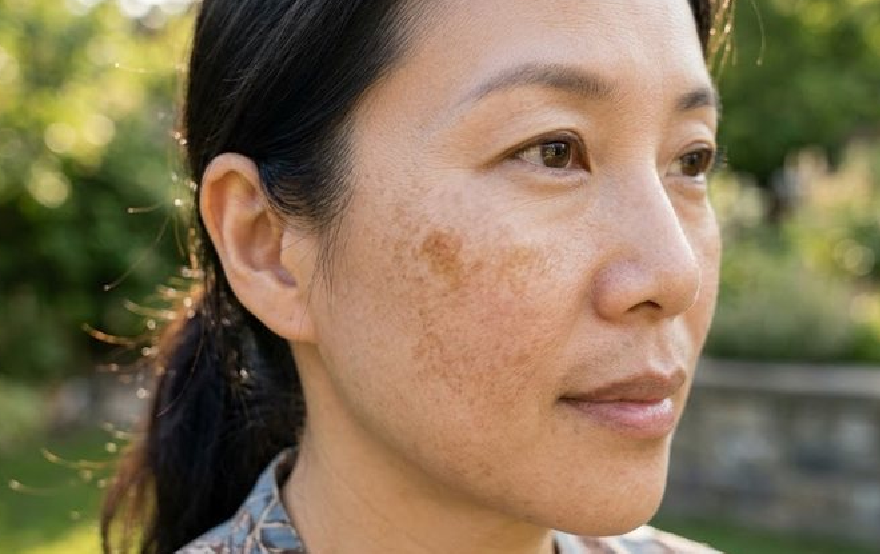
Often called age spots, these are well-defined brown spots caused by years of UV exposure.
They commonly appear on:
Unlike melasma, sunspots respond well to laser treatment.
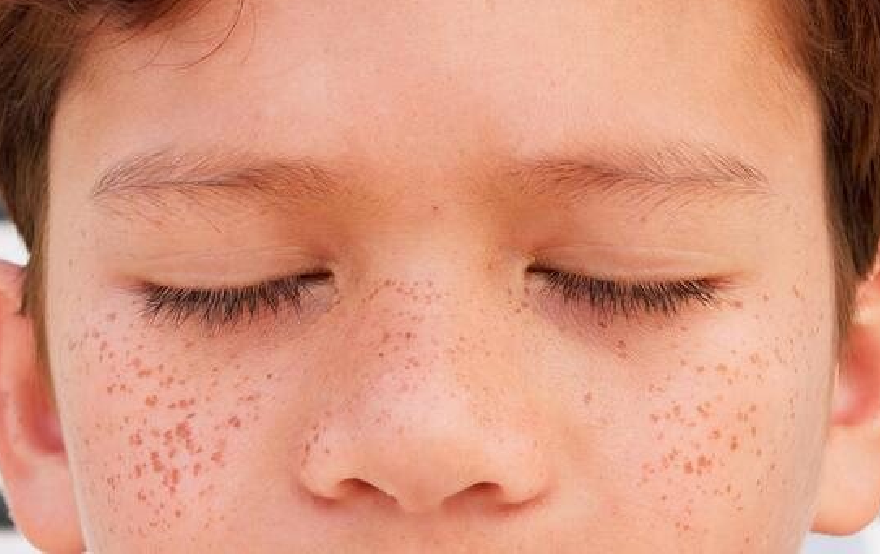
Freckles are small brown spots caused by genetics and sun exposure.
They usually become darker after sun exposure and lighten during periods of reduced UV exposure.
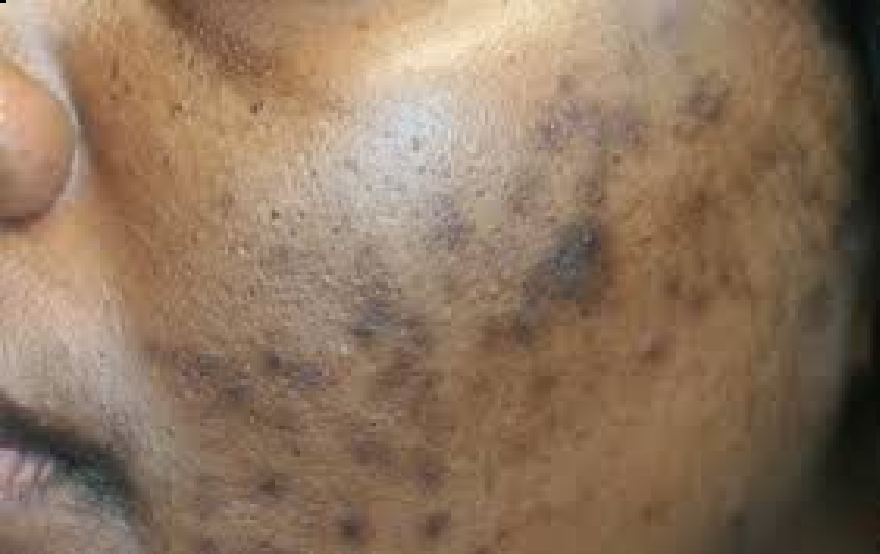
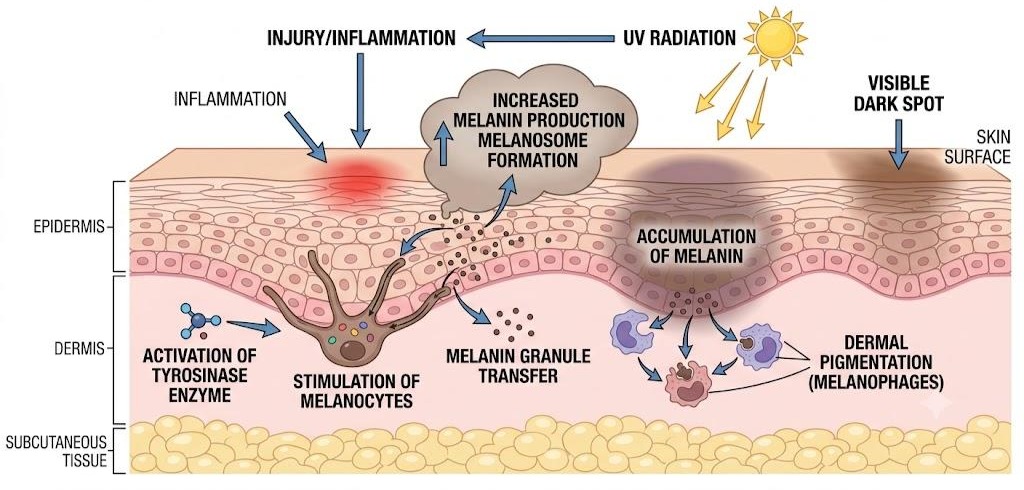
PIH develops after inflammation or injury to the skin, including:
Once the inflammation heals, excess melanin remains behind as dark marks.
Pigmentation develops when melanocytes produce excess melanin.
Common triggers include:
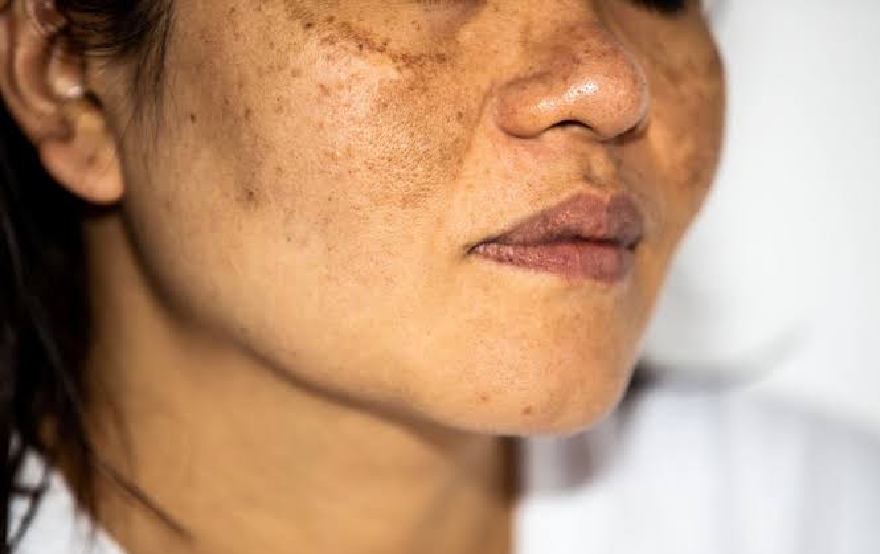
Ultraviolet radiation stimulates melanin production as a protective response. Repeated exposure gradually leads to:
Hormonal fluctuations stimulate melanocytes. Common triggers include:
Any inflammation can activate melanocytes. Examples include:
Know The Difference
Hormonal + UV
Cause: Hormones + UV
Pattern: Symmetrical patches
Common Age: 20–50
Common Location: Cheeks, forehead, upper lip
Best Treatment: Combination therapy
Risk of Recurrence: High
Sun-induced
Cause: UV exposure
Pattern: Individual spots
Common Age: Older adults
Common Location: Face, hands
Best Treatment: Pico laser
Risk of Recurrence: Moderate
Post-inflammatory
Cause: Acne or skin injury
Pattern: Marks where inflammation occurred
Common Age: Any age
Common Location: Anywhere acne or injury occurred
Best Treatment: Treat underlying inflammation + pigment
Risk of Recurrence: Low once inflammation stops
Pigmentation can affect anyone, but the risk is higher in:
In Malaysia’s sunny climate, UV exposure makes pigmentation particularly common.
Most pigmentation is harmless and primarily a cosmetic concern. However, not every dark spot is benign.
You should seek medical evaluation if a mole or pigmented lesion:changes rapidly
These changes may indicate skin cancer or melanoma, which requires prompt diagnosis.
Because different pigmentation disorders require different treatments, diagnosis is crucial. At LiV Skin Specialist Clinic, your Dermatologist may assess pigmentation using:
1
2
3
4
MEICET MD300 is a professional AI-powered 3D skin analysis using advanced multi-spectral imaging technology to assess both the skin’s surface and deeper layers, helping to distinguish superficial epidermal pigmentation, such as freckles and lentigenes, from deeper dermal pigmentation, including melasma.
Treatment depends on the type and depth of pigmentation.
Prescription creams may include:
Medical-grade chemical peels gently remove excess pigment while improving skin turnover.
They are particularly useful for:
Pico laser delivers ultra-short pulses that break down pigment particles with minimal heat damage.
It is effective for:
Melasma requires careful selection of laser settings because overly aggressive treatment may worsen pigmentation.
Microneedling may improve selected pigmentation disorders when combined with topical therapies.
Sunscreen is the cornerstone of pigmentation treatment.
Without consistent UV protection, pigmentation often returns despite successful procedures.
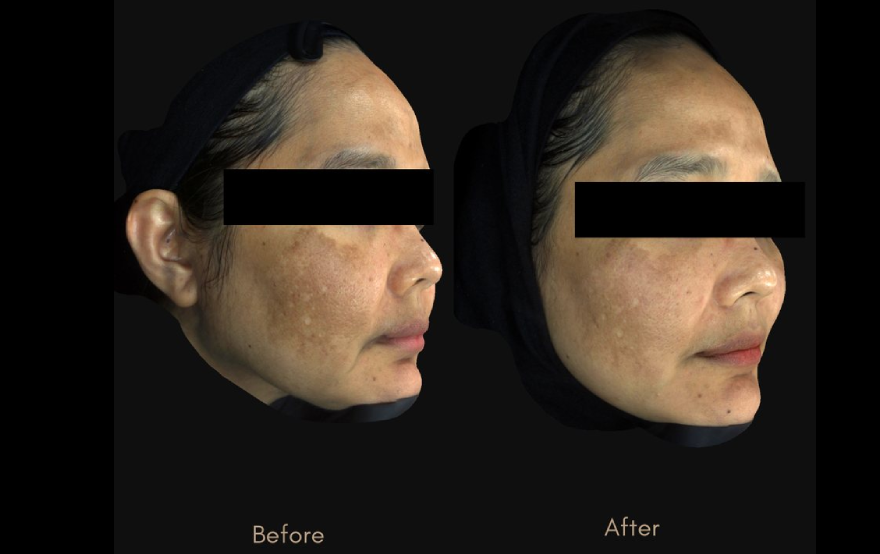
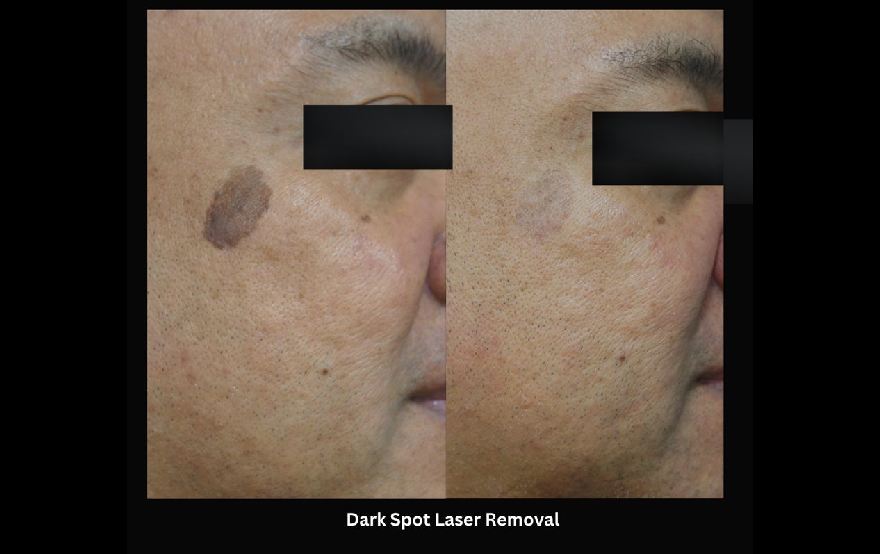
Every pigmentation case begins with an accurate diagnosis.
Our Dermatologist develops an individualized treatment plan that may include:
For melasma, treatment is deliberately conservative and combines multiple modalities to minimise the risk of rebound pigmentation.
While pigmentation treatments are generally safe, potential side effects include:
temporary redness
skin irritation
dryness
post-inflammatory hyperpigmentation
rebound melasma
recurrence
These risks are higher when inappropriate treatments or overly aggressive laser settings are used.
This is why Dermatologist assessment is important before beginning treatment.
Wear broad-spectrum SPF 50 sunscreen regularly
Avoid picking acne
Treat eczema/inflammation early
Personalized skincare routine
Although skincare remains the foundation of treatment, healthy lifestyle choices may support overall skin health.
4.9
LiV Clinic Bukit Jalil overall rating on Google · 234+ reviews
I visited Liv Clinic to seek treatment for an ice pick scar on my nose. The pricing was very reasonable, and the clinic’s relaxing ambiance made the experience even better. Dr Alyster recommended a combination of TCA and Pico Laser treatments for my specific case. Throughout the process, Agness offered consistent and supportive guidance such as how to take care of my skin after treatment. My scar is now becoming less visible, and I’m truly grateful for the team’s professionalism and care.
— Kenny Tan
“It is great experience in Liv Clinic. I get the instant effect after did the fire and ice treatment and Pico laser. Thank you to Dr Alyster and Ms Agness!”
— Yeokim See
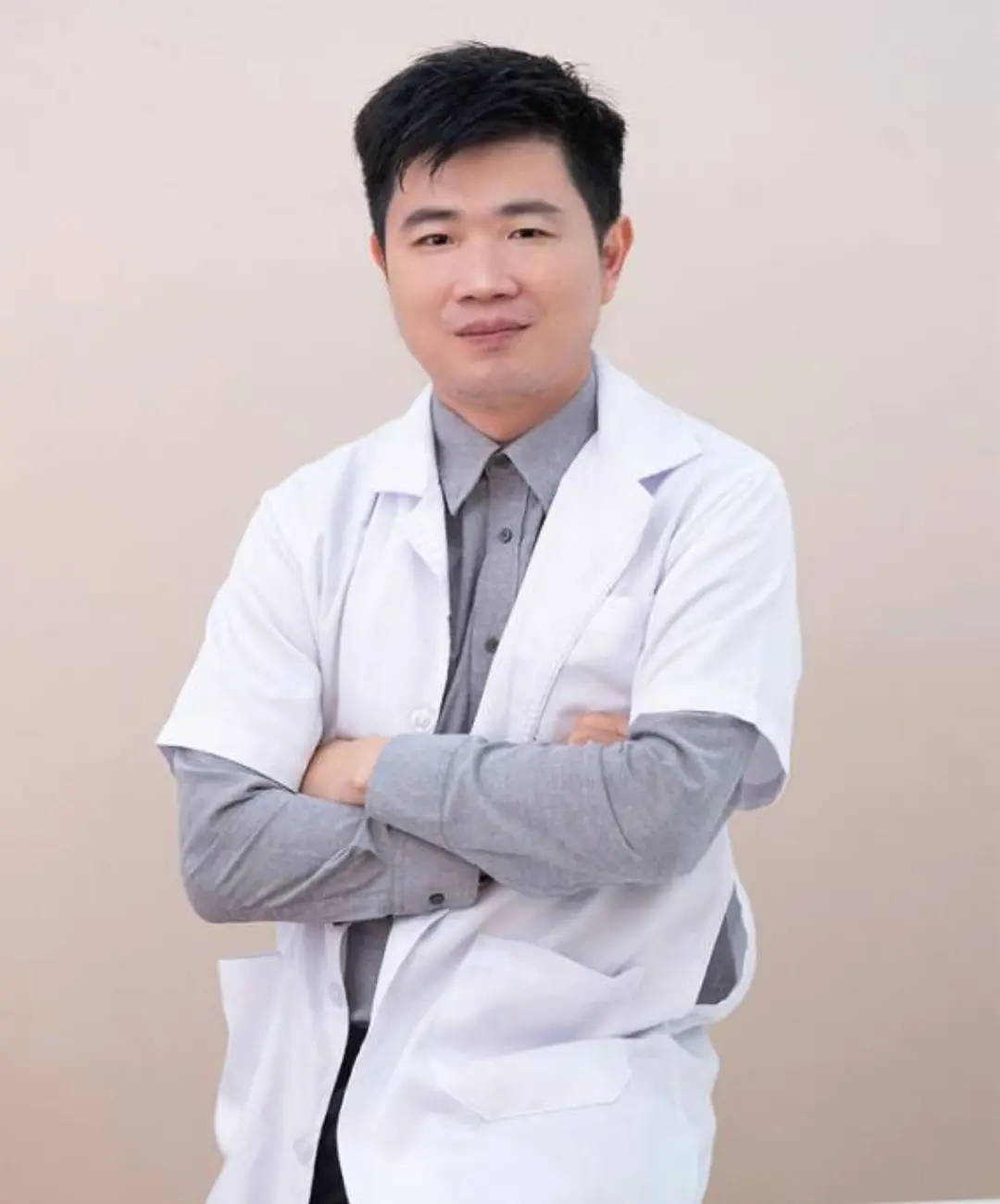
Certified Consultant Dermatologists and Aesthetic Physicians across our clinics assess and oversee every treatment plan.


Visit us at either of our clinic locations for your consultation and treatment.
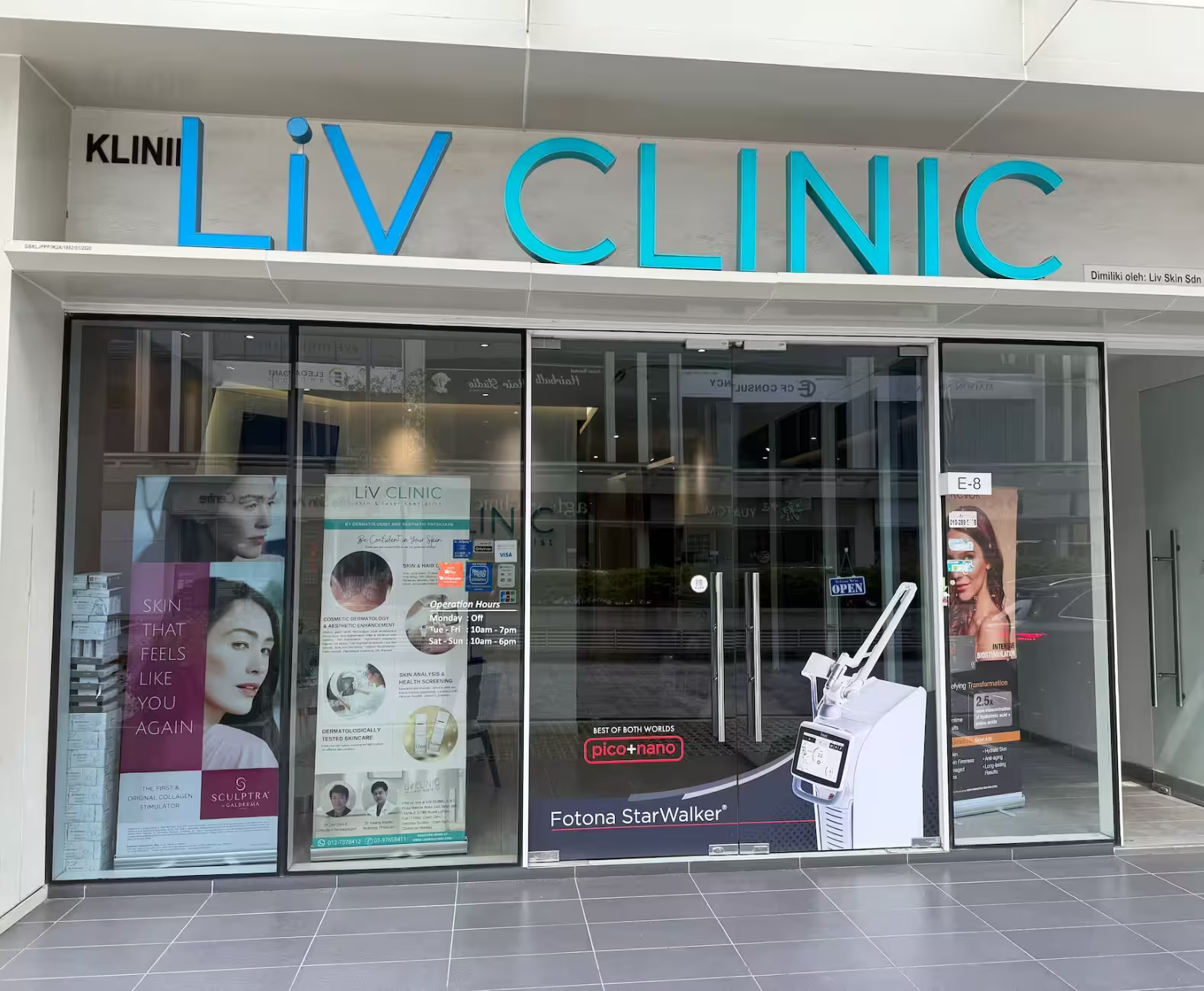
E-8-1, Pusat Bandar Bukit Jalil, Jalan Utama 2, Bukit Jalil, 57000 Kuala Lumpur, Malaysia.
Opening Hours
Wednesday – Friday: 10am – 7pm
Tuesday, Saturday, Sunday: 10am – 6pm
Closed every Monday
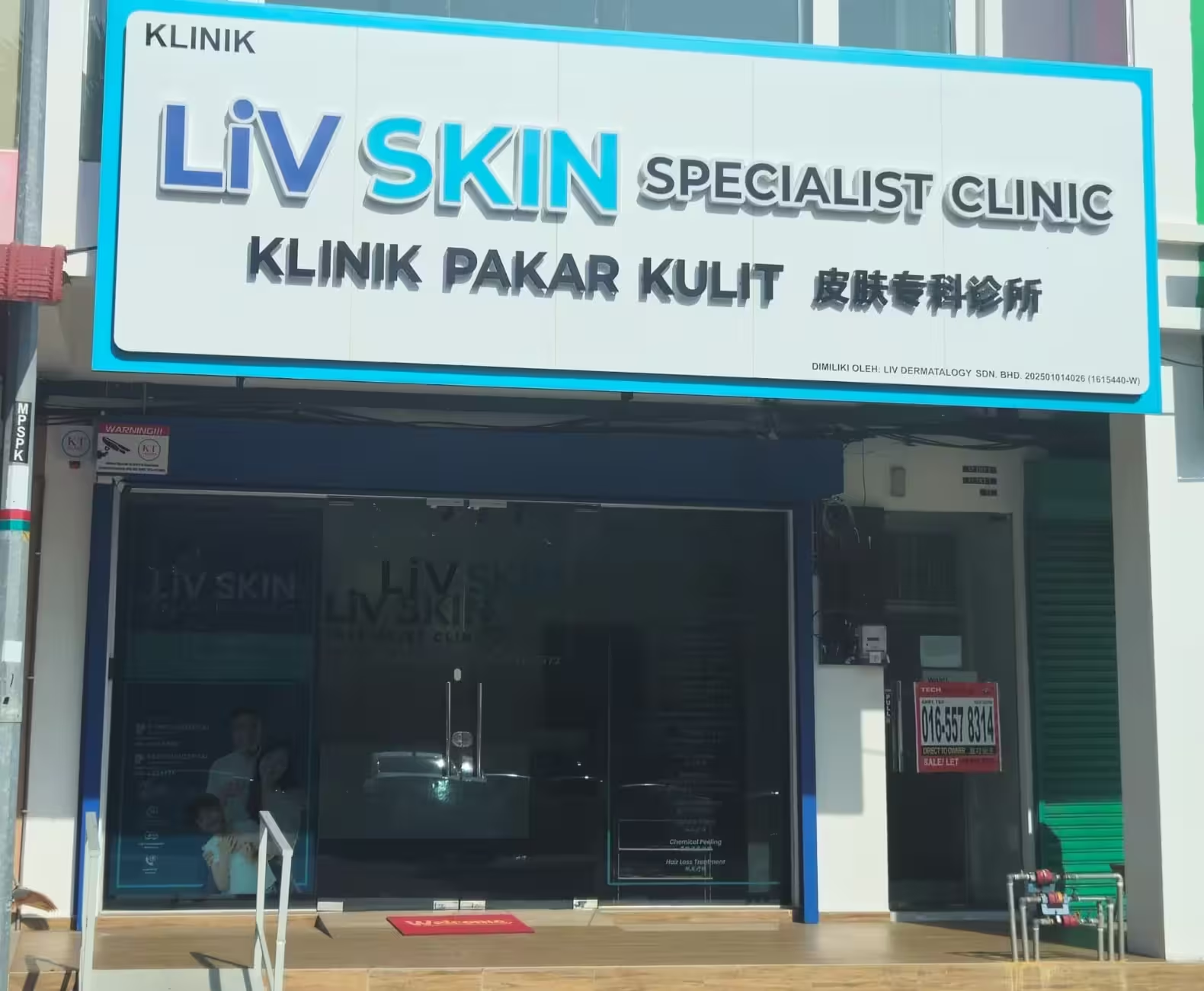
No. 17, Ground Floor, Jalan Perdana Heights 1/2, Perdana Heights, 08000 Sungai Petani, Kedah, Malaysia.
Opening Hours
Monday-Sunday: 930am-5pm
Closed every Thursday
Certified Consultant Dermatologists and Aesthetic Physicians across our clinics assess and oversee every pigmentation treatment plan.
Some forms, such as post-inflammatory hyperpigmentation, may gradually fade over several months. Melasma and solar lentigenes usually require treatment and diligent sun protection.
The best treatment depends on the type of pigmentation. Melasma, lentigenes, freckles, and PIH each require different approaches. A dermatologist can determine the most suitable treatment plan.
The timeline for visible results vary depending on the treatment method and the patient’s skin condition. In general, oral medications and topical creams may need a few weeks for improvements to show, while laser therapies may need several sessions to achieve optimal outcomes.
Improvement varies depending on the diagnosis. Some superficial pigmentation may improve within weeks, while melasma often requires long-term maintenance.
Yes. Without daily sun protection and appropriate maintenance, pigmentation—especially melasma—can recur.
Not every dark spot should be treated the same way. Melasma, sunspots, freckles, and post-inflammatory hyperpigmentation each require different strategies, and the wrong treatment can sometimes make pigmentation worse.
At LiV Skin Specialist Clinic, our consultant Dermatologist provides a thorough assessment—including clinical examination, Wood’s lamp evaluation, and dermoscopy when appropriate—to identify the exact type of pigmentation before recommending a personalised treatment plan. Whether your treatment involves prescription skincare, medical-grade chemical peels, Pico laser, microneedling, or a combination approach, our focus is on achieving safe, natural-looking, and long-lasting results while protecting your skin.
1346298-M
LiV Clinic is an accredited Skin and Laser Specialist Clinic by MOH located at the heart of Bukit Jalil, founded by a group of Certified Consultant Dermatologists and Aesthetic Physicians who are well-respected experts within their specialist field.