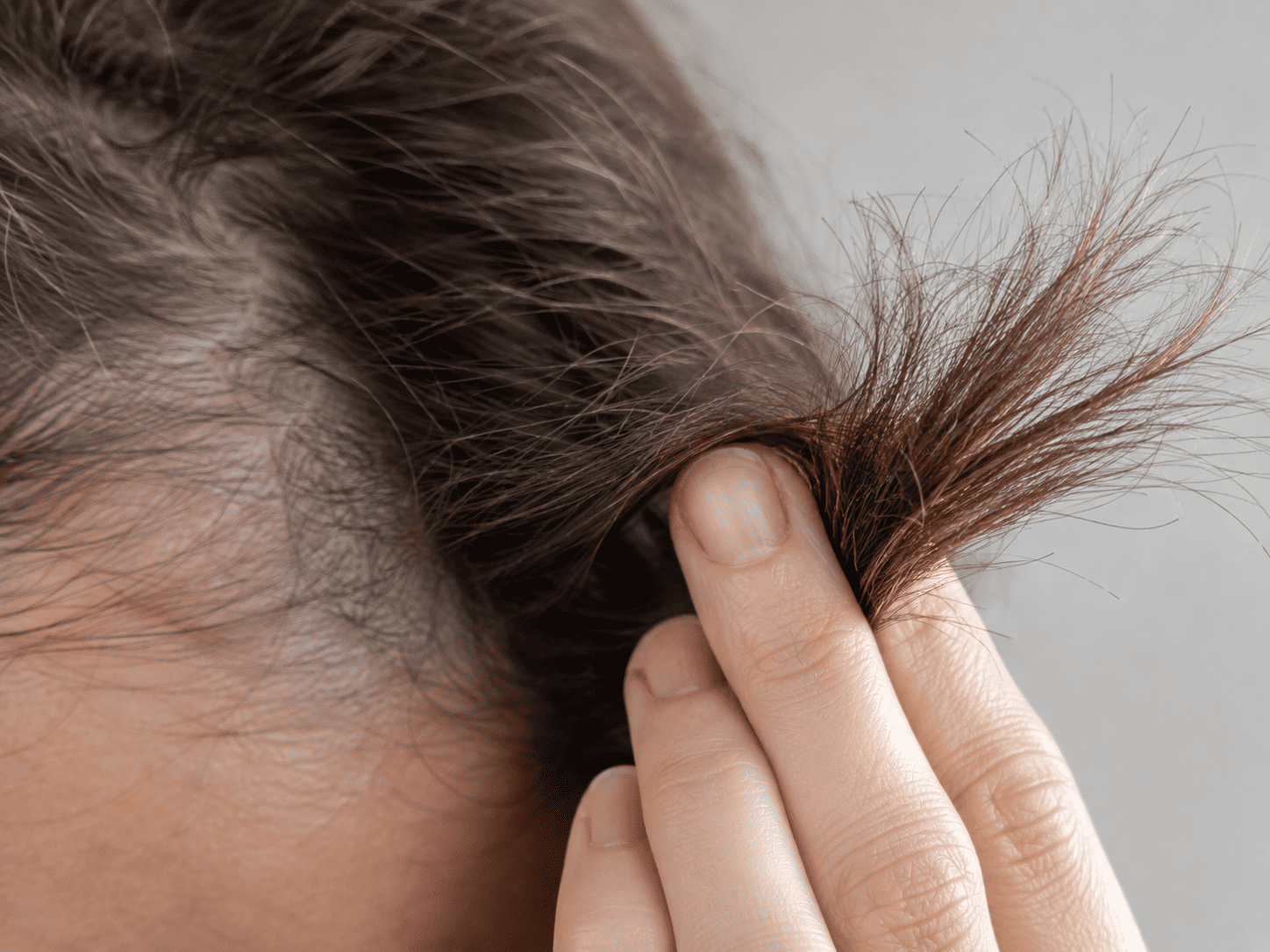
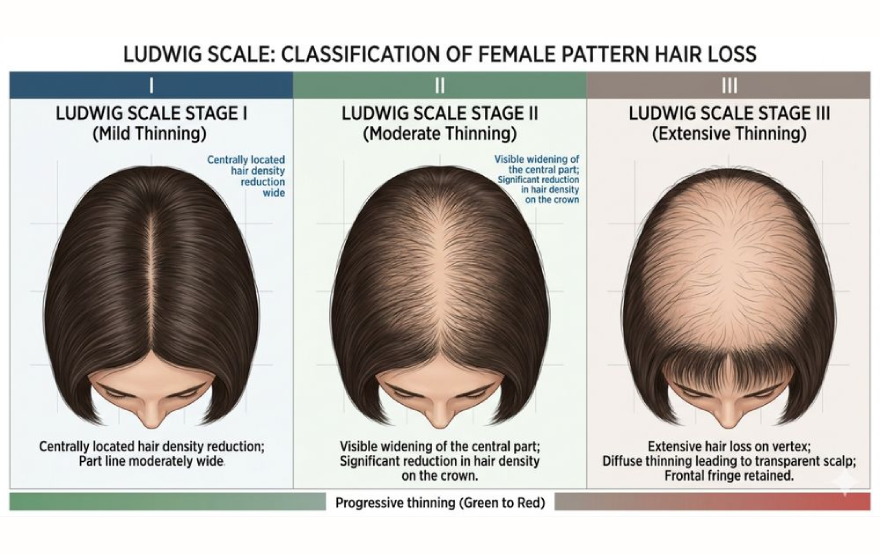
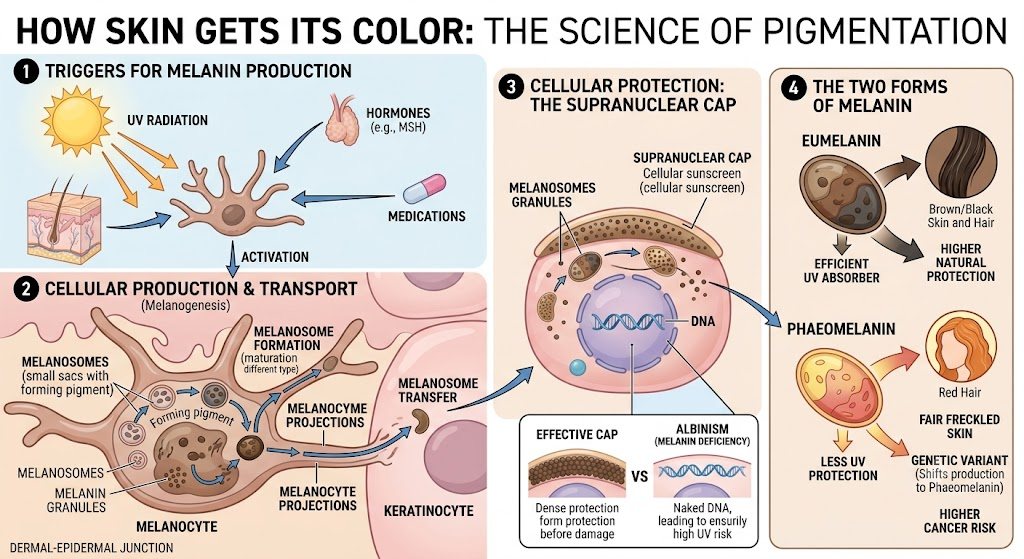
Hair loss is not a single condition. A receding hairline, thinning crown, widening centre part and sudden excessive shedding may look similar at first, but they can have very different causes.
For this reason, the most effective hair loss treatment should begin with identifying the likely cause first. Not automatically choosing a hair-growth product or treatment package. The right hair treatment always start with the right hair diagnosis.
At LiV Clinic in Kuala Lumpur, our approach begins with a doctor-led assessment of your scalp, hair-loss pattern, medical history and treatment goals. Depending on the diagnosis, treatment may include medicated scalp sprays, oral medication, correction of nutritional deficiencies, platelet-rich plasma therapy, hair exosome or selected hair regenerative procedures.
There is no single treatment that is best for everyone.
Some forms of hair loss improve after the underlying trigger is corrected. Progressive pattern hair loss usually requires ongoing treatment, while established bald areas may eventually require hair transplantation.
Hair loss, medically known as alopecia, refers to a noticeable reduction in hair density, hair volume or the number of hairs growing from the scalp or body.
Hair loss affects both men and women, although the pattern, age of onset and contributing factors may differ. Some common forms, such as telogen effluvium, are often temporary, while male and female pattern hair loss are progressive conditions.
Hair loss is no longer a concern seen only in older adults. Increasingly, younger patients in their late teens, twenties and thirties are seeking treatment for early thinning or a receding hairline. Genetics remains a major factor, but stress, poor sleep, restrictive diets, hormonal changes and certain medical conditions may also contribute. Early assessment is important because identifying the cause and starting appropriate treatment sooner may help preserve existing hair follicles and prevent further progression.
How to know that your hair loss is progressing and getting worse? It may present as:
Excessive shedding
Gradual thinning
A receding hairline
A widening hair part
Reduced ponytail volume (for female)
Complete loss of hair in a particular area
Localised bald patches
Correctly identifying the type of hair loss is important because each condition requires a different treatment approach.
Type 01
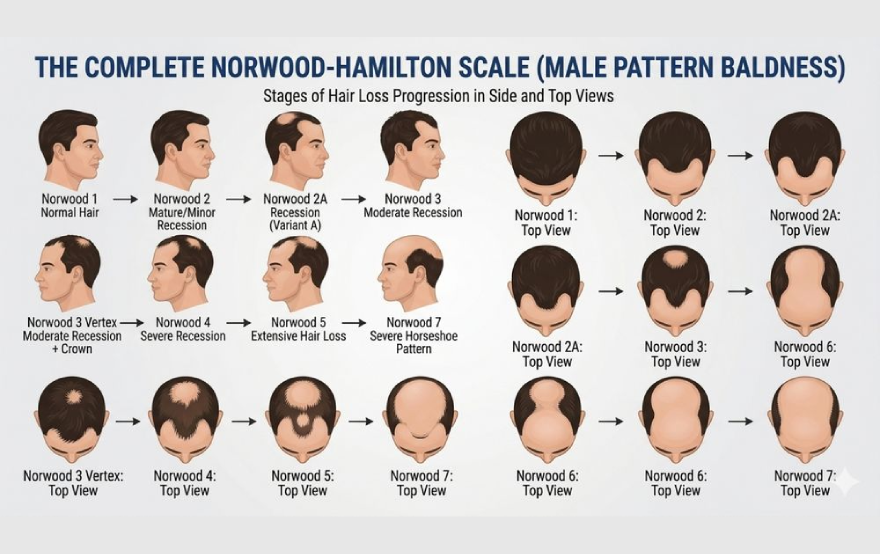
Androgenetic alopecia is also known as Male pattern hair loss or Female pattern hair loss.
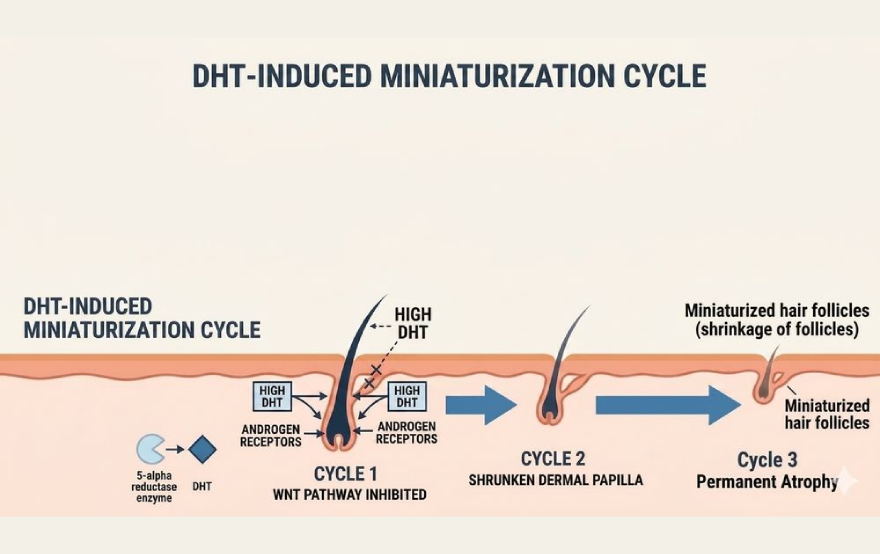
It develops when genetically susceptible follicles gradually become smaller. This process is known as hair follicular miniaturisation. The affected hair follicles progressively produce hairs that are finer, shorter and less visible.
In men, androgen signalling which is particularly sensitive to dihydrotestosterone (DHT) plays an important role. Female pattern hair loss is also influenced by genetic and hormonal factors, although it does not always involve elevated androgen levels.
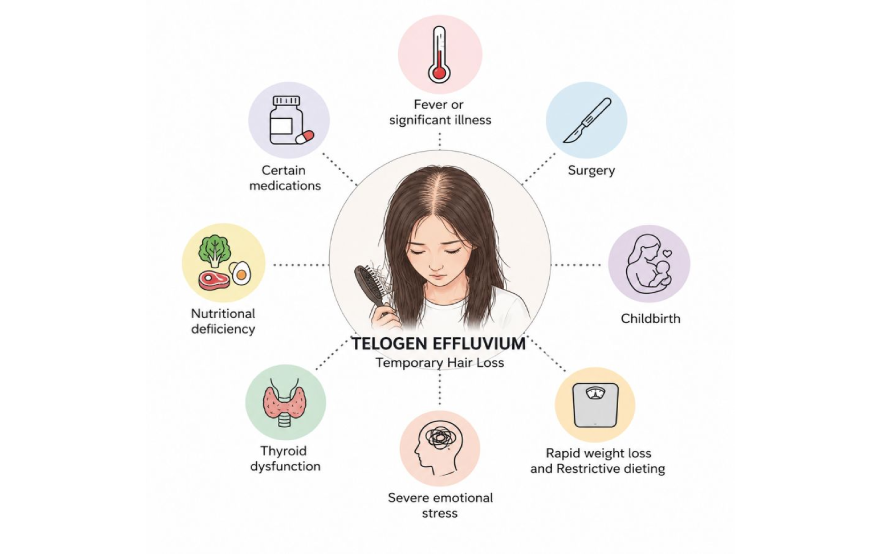
Figure 1. Causes of Telogen Effluvium that triggers sudden excessive hair loss
Type 02
Telogen effluvium is a form of diffuse (general) shedding that can develop after a major physical or emotional stressor that disrupts the normal hair cycle.
The shedding often begins several weeks or months after the trigger, which can make the connection difficult to recognise. Acute telogen effluvium is usually non-scarring and may improve after the underlying trigger resolves.
Type 03
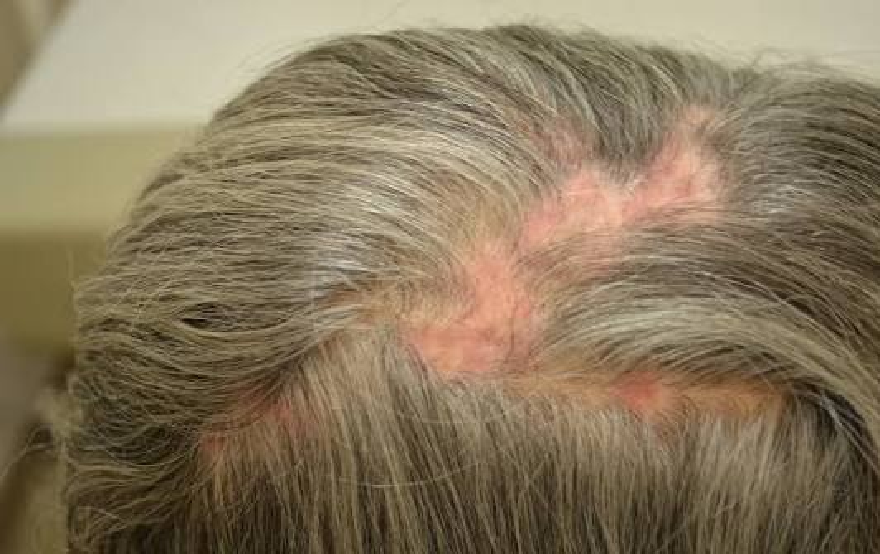
Alopecia areata is an immune-mediated condition in which the immune system attacks hair follicles. It causes certain areas to have one or more smooth, round or oval bald patches.
Type 04
Scarring alopecia, also known as cicatricial alopecia, involves inflammation that damages and eventually causes permanent destruction of hair follicles and replacement with fibrous scar tissue. It is divided into primary and secondary scarring alopecia:
Primary
Secondary: Trauma, infection, burns, radiation or tumours
Once a follicle has been replaced by scar tissue, regrowth is unlikely. Early treatment focuses on controlling inflammation and preventing further permanent loss.
Hair loss may have one cause or several contributing factors.
Genetic susceptibility is a major factor in male and female pattern hair loss.
In susceptible follicles, androgen-related signalling can shorten the growth phase and contribute to progressive follicular miniaturisation. Family history may come from either side of the family. For male, DHT is usually the main culprit of male pattern hair loss.
A significant physical or emotional stressor can shift a larger number of hairs into the resting phase of the hair cycle. This causes Telogen Effluvium hair loss. It can be resolved once trigger is removed or with medication. (refer to Figure 1 above for causes of Telogen Effluvium)
Hair shedding may be associated with inadequate:
However, supplementation should be based on the patient's history, dietary assessment and relevant investigations. Taking multiple hair supplements without evidence of deficiency does not guarantee better hair growth.
Hair shedding or progressive thinning may be associated with:
Hormonal investigations are not automatically necessary for every patient. They should be selected according to the history, clinical pattern and associated symptoms.
Certain medications may contribute to shedding or altered hair growth.
Patients should not stop prescribed medication without speaking to the treating doctor. A medical review can help determine whether the medication is a likely contributor and whether an alternative is appropriate.
Repeated pulling can damage hair follicles and cause traction alopecia. Even tight ponytails and hair style can cause traction alopecia to occur.
Common contributors include:
Early traction alopecia may improve when the tension is removed. Long-standing traction may cause permanent follicular damage.
Other possible causes of hair loss:
Fungal scalp infection
Hair loss caused by systemic illness
Inflammatory scalp disease
Hair-pulling disorder (Trichotillomania)
Know The Difference
Male and female pattern hair loss are both forms of androgenetic alopecia, but they commonly appear differently.
Feature
Common starting area: Temples, frontal hairline or crown
Typical pattern: Receding hairline, M-shaped recession or crown thinning
Frontal hairline: Often recedes
Progression: May progress to extensive baldness
Common age of onset: May begin in the late teens or early twenties
Main treatment goal: Slow miniaturisation and preserve density
Feature
Common starting area: Centre part and upper scalp
Typical pattern: Widening part and diffuse reduction in density
Frontal hairline: Commonly preserved, although density behind it decreases
Progression: Usually causes diffuse thinning rather than complete baldness
Common age of onset: More commonly noticeable during the 40s, 50s or 60s
Main treatment goal: Preserve density, improve coverage and assess contributing factors
Male pattern hair loss can begin in the late teens or early twenties. Yes, in our clinical practice, we are seeing increasing younger male presenting with early male hair loss these days. Female pattern hair loss may begin earlier but is more commonly recognised during midlife and after menopause. It is also important to note about nutrient and iron deficiency in female pattern hair loss.
Hair loss diagnosis begins with a medical history and scalp examination. Your doctor will assess when the hair loss started, the pattern of thinning or shedding, family history, recent illness, stress, diet, hormonal symptoms, medications and previous treatments.
Trichoscopy may be used to examine the hair follicles and identify follicular miniaturisation, broken hairs, inflammation, reduced hair density or signs of scarring.
Blood tests, such as iron studies, thyroid function and vitamin D, may be recommended when clinically relevant. A scalp biopsy or fungal test may be required if the diagnosis is unclear or scarring alopecia is suspected.
At LiV Clinic, treatment always begins with a detailed hair and scalp assessment.
Pattern hair loss may require treatment to slow follicular miniaturisation and stimulate hair growth. Telogen effluvium is managed by identifying triggers such as stress, illness, weight loss, nutritional deficiency or hormonal changes. Inflammatory or scarring hair loss may require early medical treatment to prevent permanent hair loss.
It is also important that Doctor adjust their treatment plan according to your lifestyle too to ensure long term compliance. That is why I always emphasize on communication between a Doctor and patient during my hair loss consultation.
Personalised treatment based on diagnosis, cause, severity and patient suitability.
Topical, nutritional and oral treatments, selected according to diagnosis and suitability.
Depending on the diagnosis and suitability, these may include:
Minoxidil spray
Minoxidil with selected supportive ingredients
Minoxidil with topical finasteride
Prescription scalp medication for inflammation or infection
To choose the right medicated spray for you in just 5 steps, please read more here
Deficiencies in iron, vitamin D, zinc, vitamin B12 or folate may contribute to increased shedding in selected patients and should be corrected appropriately.
Vitamin D deficiency is frequently associated with several forms of hair loss, including telogen effluvium and pattern hair loss. However, supplementation is most appropriate when deficiency is confirmed or strongly suspected, rather than being routinely prescribed to everyone.
Oral proteoglycan supplements such as Nourkrin may also be considered as supportive therapy to help reduce shedding and support the hair-growth cycle. Proteoglycan is an important signalling molecule for the hair to enter Anagen phase (growing phase).
Although studies suggest potential benefits, they should complement—not replace—an accurate diagnosis and established treatments, particularly for genetically driven hair loss.
Topical minoxidil is an established treatment for selected men and women with pattern hair loss.
It may help:
Topical finasteride may be combined with minoxidil for selected patients with androgenetic alopecia. Finasteride treats androgenetic alopecia by inhibiting type II 5-alpha-reductase, the enzyme that converts testosterone into the more potent androgen dihydrotestosterone (DHT).
By reducing scalp DHT, finasteride decreases this androgen-driven signal. This helps slow further miniaturisation, maintain existing follicles and allows some partially miniaturised follicles to produce thicker hair over time.
Although topical delivery may reduce systemic exposure compared with oral medication, it should not be described as completely free from systemic absorption or adverse effects.
Selected patients may be considered for:
Prescription treatment requires medical assessment and supervision from Doctors
Potential advantages include:
Possible side effects include:
Increased facial or body hair
The patient's cardiovascular history, current medication and potential contraindications should be reviewed before treatment.
Finasteride reduces the conversion of testosterone to DHT by inhibiting the 5-alpha-reductase enzyme.
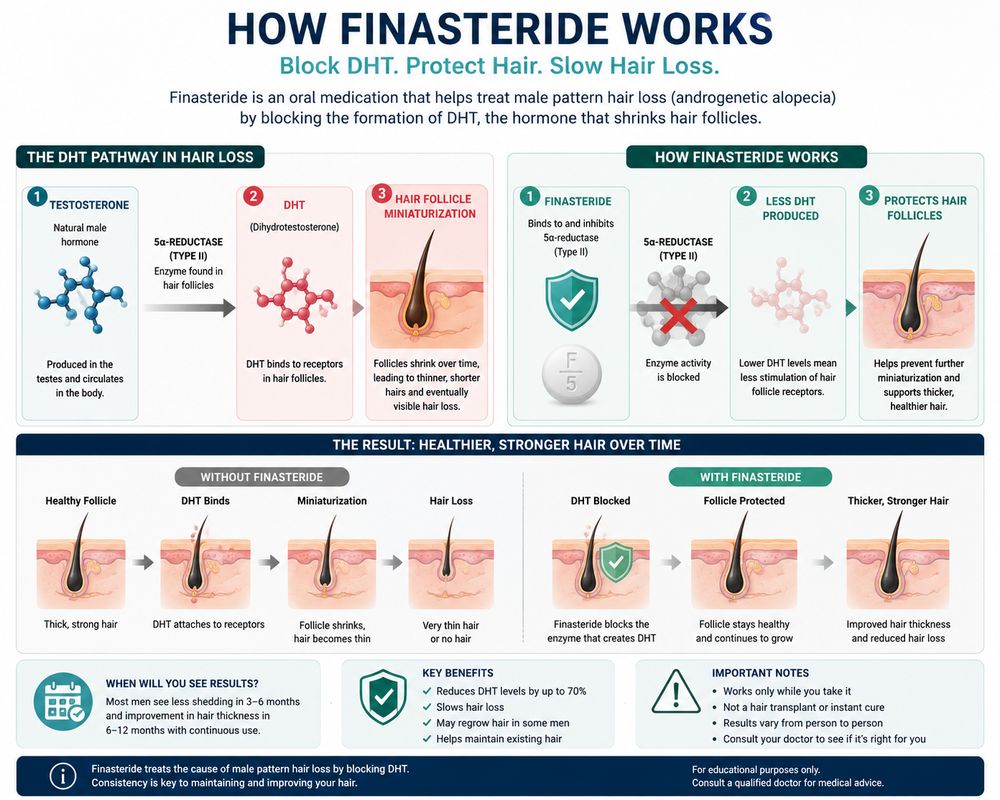
It may help slow progressive follicular miniaturisation in selected patients with androgenetic alopecia.
Possible considerations include:
Spironolactone may be prescribed off-label for selected women with female pattern hair loss or other androgen-related features.
Possible side effects include:
Pregnancy prevention and appropriate monitoring may be required.
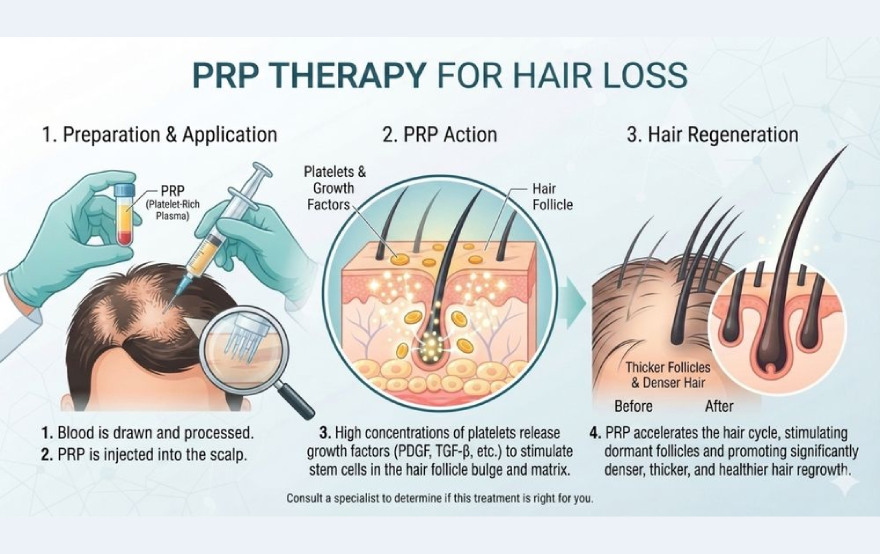
PRP (Platelet-Rich Plasma) hair treatment contains a high concentration of patient’s own blood platelets and vital growth factors. These specialized components work to reactivate dormant hair follicles, increase blood circulation, and extend the hair growth cycle.
During treatment:
PRP may be considered as an adjunct for selected patients with non-scarring androgenetic alopecia. One advantage is PRP is source from the patient themselves so there is no risk of allergic reaction. However, do remember as we age, our PRP quality obtained also declines.
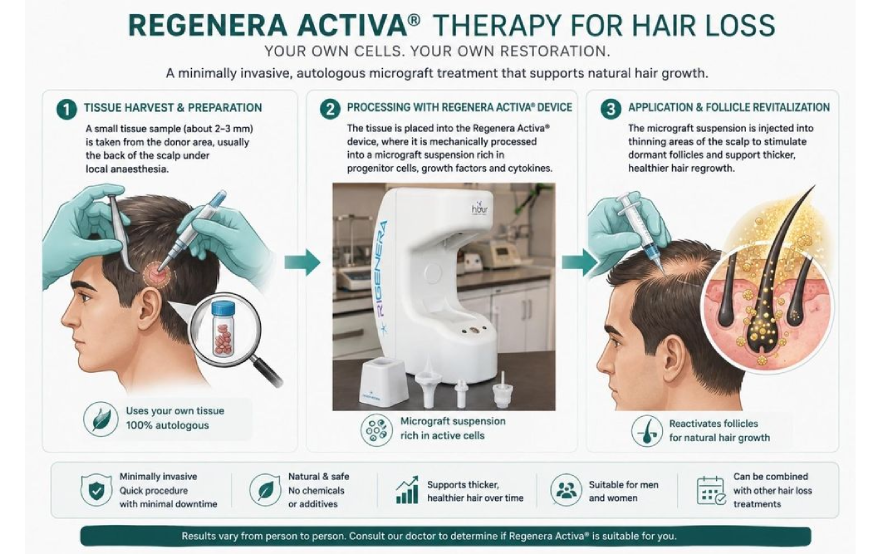
Regenera Activa is an autologous micrograft procedure. It may support and boost existing miniaturised follicles in selected patients with androgenetic alopecia.
A small tissue sample is obtained from a suitable donor area and mechanically processed. The resulting suspension is introduced into selected thinning areas of the scalp.
It is not the same as hair transplantation because intact hair follicles are not relocated into a bald area.
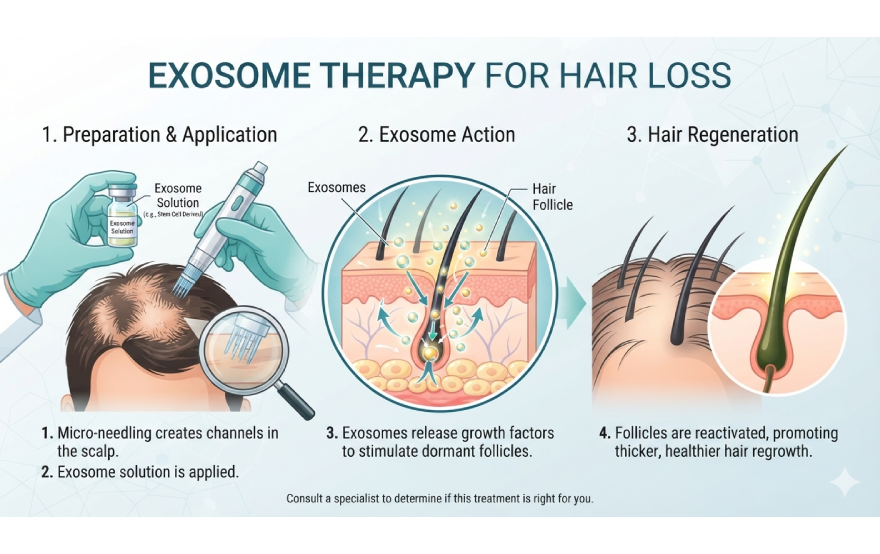
Exosomes contain cell-signalling molecules that can:
Exosome therapy does not create entirely new hair follicles and is unlikely to restore follicles that have been permanently destroyed by advanced scarring.
Low-level laser therapy uses red or near-infrared light delivered through a suitable device.
It may be considered as a non-invasive adjunct for selected patients with pattern hair loss.
Hair transplantation moves suitable follicles from a donor area to an area of permanent hair loss. It does not stop progressive loss of the remaining non-transplanted hair.
Most patients may still require ongoing medication even after hair transplantation as genetic factor and hormones will still cause hair loss for the remaining hair follicles.
4.9
LiV Clinic Bukit Jalil overall rating on Google · 234+ reviews
I visited Liv Clinic to seek treatment for an ice pick scar on my nose. The pricing was very reasonable, and the clinic’s relaxing ambiance made the experience even better. Dr Alyster recommended a combination of TCA and Pico Laser treatments for my specific case. Throughout the process, Agness offered consistent and supportive guidance such as how to take care of my skin after treatment. My scar is now becoming less visible, and I’m truly grateful for the team’s professionalism and care.
— Kenny Tan
“It is great experience in Liv Clinic. I get the instant effect after did the fire and ice treatment and Pico laser. Thank you to Dr Alyster and Ms Agness!”
— Yeokim See
Certified Consultant Dermatologists and Aesthetic Physicians across our clinics assess and oversee every treatment plan.
Visit us at either of our clinic locations for your consultation and treatment.
E-8-1, Pusat Bandar Bukit Jalil, Jalan Utama 2, Bukit Jalil, 57000 Kuala Lumpur, Malaysia.
Opening Hours
Wednesday – Friday: 10am – 7pm
Tuesday, Saturday, Sunday: 10am – 6pm
Closed every Monday
No. 17, Ground Floor, Jalan Perdana Heights 1/2, Perdana Heights, 08000 Sungai Petani, Kedah, Malaysia.
Opening Hours
Monday-Sunday: 930am-5pm
Closed every Thursday
1346298-M
LiV Clinic is an accredited Skin and Laser Specialist Clinic by MOH located at the heart of Bukit Jalil, founded by a group of Certified Consultant Dermatologists and Aesthetic Physicians who are well-respected experts within their specialist field.