Winlevi for Hormonal Acne: A New Topical Anti-hormonal Acne Treatment in Malaysia

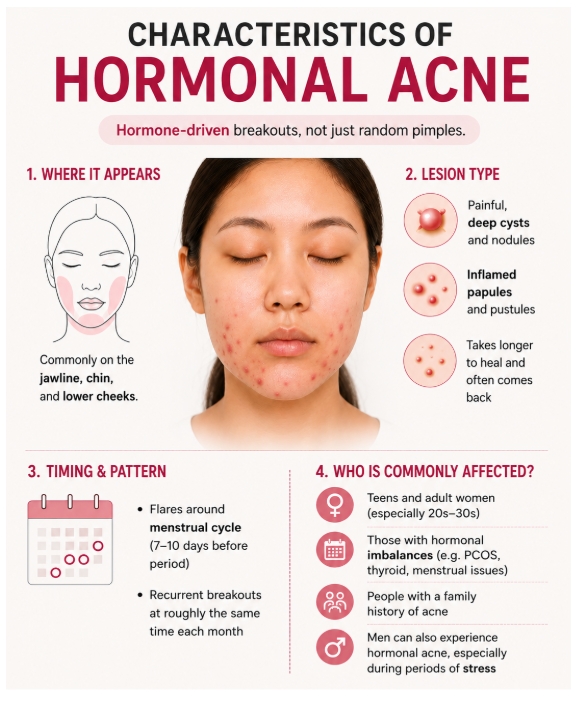
Hormonal acne can be frustrating because it is often deep, painful, recurrent and difficult to control with ordinary skincare products alone. It commonly affects the chin, jawline and lower cheeks, although hormonal influences can contribute to acne in other areas as well.

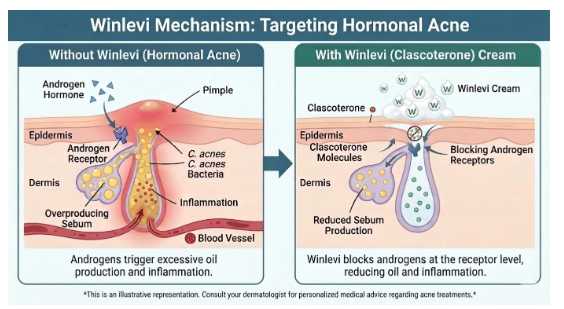
One of the newest innovations in acne treatment is Winlevi cream, which contains clascoterone 1%. Conventional topical acne medications such as benzoyl peroxide, adapalene and azelaic acid mainly unclog pores, reduce bacteria or increase skin-cell turnover, but they do not block the hormonal pathway of acne formation. Winlevi is able to block the hormonal acne pathway by locally blocking androgen receptors within the skin.

This gives doctors a new way to target the hormonal pathway involved in acne formation without relying solely on oral hormonal medication, which may cause systemic side effects.
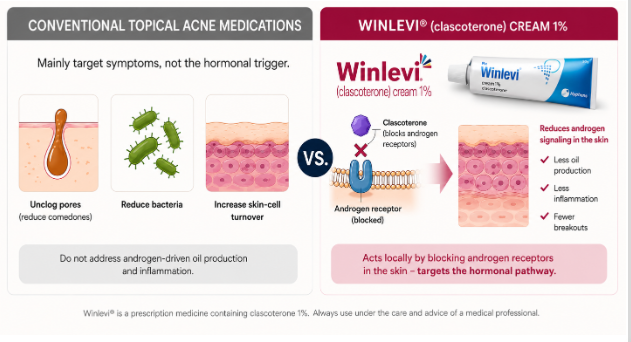
Feature Conventional topical acne medications Winlevi® (clascoterone 1% cream)
Common examples Benzoyl peroxide, adapalene, azelaic acid Clascoterone 1%
Main action Unclogs pores, reduces bacteria and increases skin-cell turnover Blocks androgen receptors within the skin
Hormonal pathway Does not address androgen-driven oil production and inflammation Acts locally on the hormonal pathway that triggers breakouts
Intended effect Mainly targets the symptoms of acne Less oil production, less inflammation and fewer breakouts
Winlevi was registered in Malaysia in January 2025 as a prescription medicine containing clascoterone 1% and approved by KKM for the treatment of acne. LiV Clinic is recognised by the authorised Winlevi distributor as one of the early adopters and leading users of Winlevi in Malaysia and South East Asia, reflecting the clinic’s growing experience in assessing and treating acne patients with topical clascoterone.

What Is Winlevi?

Winlevi is the brand name for clascoterone cream 1%, a prescription topical medication used to treat acne vulgaris. Clascoterone belongs to a class of medication known as an androgen receptor inhibitor, also commonly described as a topical anti-androgen.

Is Winlevi a Treatment for Hormonal Acne?

Winlevi is officially indicated for the treatment of acne vulgaris. Hormonal or androgen-related acne may present with:
  • Recurrent breakouts around the chin, jawline and neck
  • Deep, tender papules, nodules or cysts
  • Acne that worsens before menstruation in females
  • Persistent adult acne
  • Acne associated with conditions such as polycystic ovary syndrome (PCOS)
  • Acne in males or females with androgen-sensitive sebaceous glands
A proper assessment remains important because acne around the jawline is not automatically hormonal. Comedonal acne, cosmetics, occlusive products, folliculitis and other skin conditions may produce a similar appearance.

How Does Winlevi Work?

Androgens are hormones that can bind to androgen receptors in the epidermis of the skin and in the sebaceous glands. When these receptors are activated, they may contribute to:
  • Increased sebum production
  • Greater follicular blockage
  • Inflammatory signalling
  • Formation of inflammatory acne lesions
Clascoterone works by competing with androgens at androgen receptors within the skin. By reducing local androgen signalling, it may help decrease the processes that contribute to excessive oiliness and inflammation, which lead to the early formation of acne. It does not permanently change a person’s hormone levels, and it is not the same as taking an oral hormone-blocking medication. For female patients with hormonal imbalance or PCOS, acne may be associated with irregular menstrual cycles, increased facial or body hair, weight changes or other hormonal symptoms. Some patients may be prescribed oral medications such as hormonal contraceptive pills or spironolactone, but these treatments may not be suitable or well tolerated by everyone because they act systemically and may cause side effects. Winlevi offers an alternative because it acts locally on the skin with minimal systemic absorption.

How Long Does Winlevi Take to Work?

Acne treatment requires consistency. Winlevi should not be judged after only a few days. The major clinical trials assessed outcomes after 12 weeks of twice-daily treatment. Some patients may notice reduced oiliness or fewer inflamed breakouts earlier, but meaningful improvement generally takes several weeks.

How Is Winlevi Applied?

The affected area should be gently cleansed and dried before applying a thin, uniform layer twice daily — once in the morning and once in the evening. Contact with the eyes, mouth and mucous membranes should be avoided.

What Are the Possible Side Effects of Winlevi?

The most commonly reported adverse effects are local skin reactions, including:
  • Redness
  • Itching
  • Burning
These reactions are often mild, but patients should inform their doctor if irritation is persistent or worsening.

Who May Be a Suitable Candidate for Winlevi?

A doctor may consider Winlevi for patients with:
  • Persistent inflammatory facial acne
  • Jawline or lower-face acne with a suspected hormonal component
  • Excessively oily, acne-prone skin
  • Adult female acne
  • Male acne with suspected androgen sensitivity
  • Acne that has not responded adequately to a basic topical routine
  • Difficulty tolerating certain conventional acne treatments
  • A need for an androgen-targeted option without using an oral anti-androgen

Who May Need More Than Winlevi Alone?

Winlevi may not be sufficient as monotherapy when a patient has:
  • Numerous blackheads and closed comedones
  • Severe nodules or cysts
  • Acne affecting the chest and back
  • Rapidly worsening acne
  • Active acne scarring
  • Significant post-inflammatory pigmentation
  • Suspected bacterial or fungal folliculitis
  • An underlying endocrine disorder requiring separate assessment
In these situations, Winlevi may be one component of a broader acne-management plan rather than the only treatment.

Before Treatment

After Treatment
Why Winlevi Is a Significant Development for Hormonal Acne

Winlevi represents an important development in acne treatment because it introduces a new way to address the androgen hormone pathway directly within the skin. Its active ingredient, clascoterone 1%, blocks local androgen receptors involved in sebum production and acne inflammation. This makes it a potentially valuable option for adult female acne, persistent jawline acne, oily inflammatory acne, and suitable male patients who need an androgen-targeted topical treatment rather than oral hormonal medication. However, Winlevi is not a universal cure for every type of hormonal acne. The best results come from combining it with treatments that address blocked pores, bacteria, inflammation, pigmentation and acne scarring. As one of the early adopters and experienced users of Winlevi in Malaysia, LiV Clinic provides doctor-led assessment to determine whether topical clascoterone is suitable for each patient’s acne pattern. Our doctors have growing clinical experience using clascoterone for suitable male and female patients with persistent hormonal acne. Winlevi has less systemic exposure than an oral hormone-blocking medication and is generally considered safe, but it should always be used under medical supervision.

Frequently Asked Questions

Winlevi is a prescription clascoterone 1% cream used to treat acne vulgaris. It blocks androgen hormone receptors locally within the skin, which helps prevent the early formation of acne.

No. Winlevi is designed to block androgen receptors locally in the skin rather than lowering systemic testosterone throughout the body. It should still be used only as prescribed.

Yes. Suitable male patients may use Winlevi for acne under medical supervision.

Winlevi may help reduce inflammatory acne lesions, including papules, pustules and deeper lesions, although some patients will still require combination treatment.

Yes. It may be useful for persistent jawline acne when androgen activity is contributing to the breakouts.

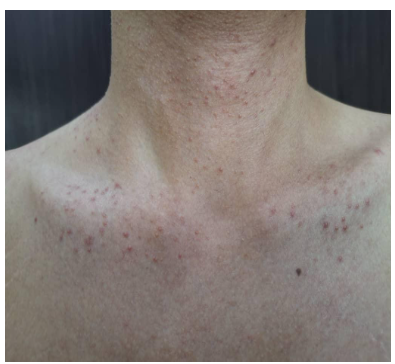
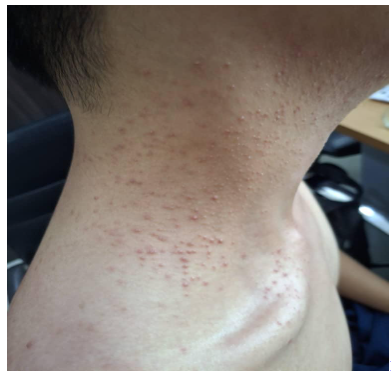
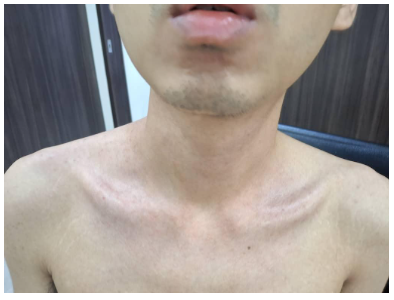
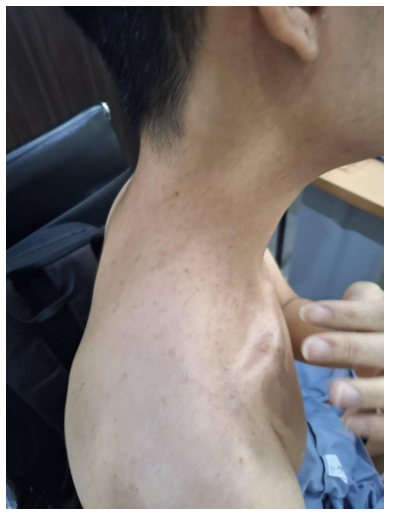
At LiV Clinic, patients with back and neck acne have obtained effective resolution with the use of clascoterone.

By reducing androgen activity within the sebaceous glands, Winlevi may help reduce androgen-driven sebum production. The degree of improvement varies between patients.

A doctor may prescribe Winlevi together with a topical retinoid because they act through different mechanisms. The routine may need to be adjusted to minimise irritation.

Not necessarily. Severe, scarring or nodulocystic acne may still require oral isotretinoin. Winlevi is generally better viewed as another treatment option within an individualised acne plan.

No. Winlevi does not kill acne-causing bacteria and is not an antibiotic. It blocks androgen receptors in the skin.

The current European product information states that Winlevi should not be used during pregnancy, and it includes pregnancy-prevention instructions for women and girls who can become pregnant.

Patients who are pregnant, planning pregnancy, breastfeeding or undergoing fertility treatment should inform their doctor before starting treatment

About Author

Dr Awang Alyster is a Malaysian medical doctor with a clinical focus on skin health, hair loss and medical aesthetics. Based in Kuala Lumpur, he provides personalised treatment plans for concerns such as acne, acne scars, pigmentation, enlarged pores, hair thinning and signs of skin ageing.

His areas of interest include hair-loss treatments, laser procedures, skin rejuvenation, injectables and evidence-based skincare. Through patient education and digital content, Dr Awang Alyster aims to simplify complex medical information and help patients make safer, more informed decisions about their skin and hair.